

The House passed bipartisan legislation introduced in the chamber by Rep. Erin Houchin (R-IN-09) aimed at tightening oversight of federal broadband funding, a measure supporters say will help ensure rural communities — including farmers and agricultural businesses — gain reliable internet access as billions in taxpayer dollars flow toward expanding connectivity.
The bill, known as the Rural Broadband Protection Act, cleared the House after previously passing the Senate, where it was led by Sen. Shelley Moore Capito (R-WV). It now heads to President Trump’s desk for his signature.
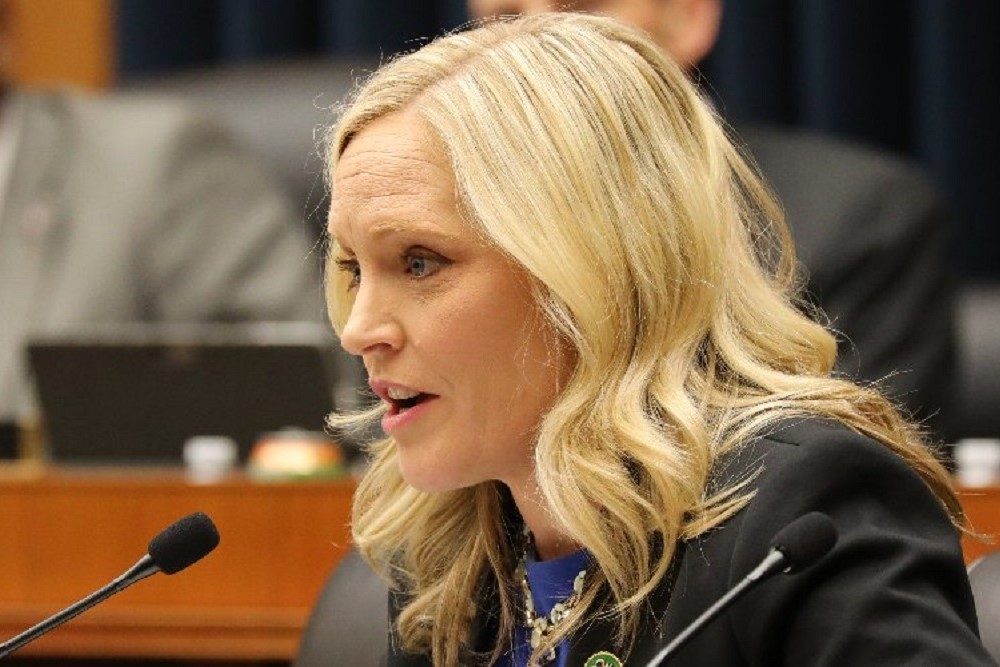
Houchin, a Republican representing southern Indiana, authored the House version of the legislation, which passed that chamber unanimously last year. She has made rural broadband expansion a central focus of her work in Congress, pointing to gaps in internet access that persist across parts of her district.
“Too many families in rural Indiana are still without reliable internet access, and that is why this continues to be one of my main legislative priorities in Congress,” Houchin said in a statement. She added that limited connectivity has “real consequences for education, health care, and precision agriculture,” and said the measure would help ensure federal dollars “actually reach rural areas through proven providers.”
For farmers and agribusinesses, the stakes are particularly high. Modern agriculture increasingly relies on precision technologies — from GPS-guided equipment to real-time data analytics and cloud-based farm management platforms — all of which depend on fast, reliable internet connections. Inadequate broadband can limit a farmer’s ability to monitor crops, manage inputs efficiently, access markets or comply with digital reporting requirements, placing rural operations at a competitive disadvantage.
Supporters say the legislation could help address those challenges by steering federal support toward providers with a demonstrated ability to deliver dependable service in hard-to-reach areas. By improving connectivity, the bill could expand access to tools that boost yields, reduce costs and support more sustainable farming practices, while also enabling rural businesses to better participate in e-commerce and global supply chains.
The legislation requires the Federal Communications Commission to adopt stricter vetting standards for internet service providers seeking support through its high-cost Universal Service Fund programs. Companies applying for funding would need to demonstrate technical, financial and operational capacity, as well as present a viable business plan before receiving federal support.
Regulators would also be directed to weigh applicants’ experience and compliance history, a provision designed to prevent inexperienced or underqualified providers from winning subsidies and failing to deliver promised service — a recurring concern as federal broadband spending has increased in recent years.
Industry groups representing rural providers praised the bill’s passage, arguing it reflects a common-sense approach to safeguarding public investment.
“Rural Americans deserve high-quality broadband access from providers capable of delivering on the promises they make in taking government funding,” said Mike Romano, chief executive of NTCA–The Rural Broadband Association. “Better vetting of providers’ capabilities before they are awarded such funds is good public policy.”
The measure arrives amid a broader national push to close the digital divide, with lawmakers from both parties backing efforts to expand high-speed internet to underserved areas. If signed into law, supporters say it could not only improve connectivity for households but also strengthen the economic backbone of rural America — particularly in agriculture, where reliable broadband is increasingly essential to day-to-day operations and long-term growth.