


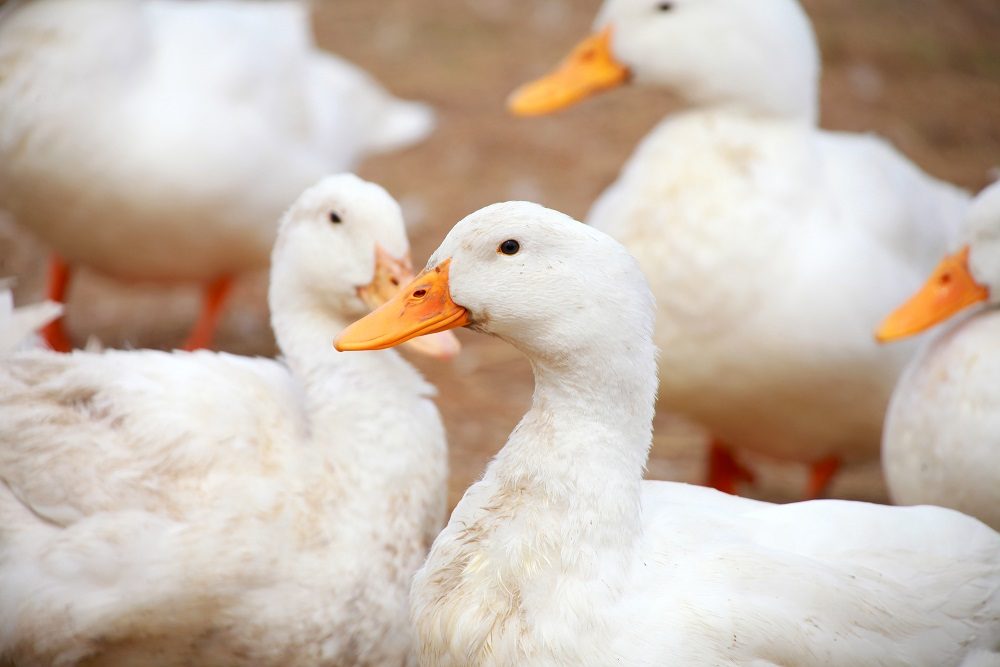
The Indiana State Board of Animal Health on Wednesday confirmed a new outbreak of highly pathogenic avian influenza in a commercial duck operation in northeastern Indiana, marking the state’s second detection in less than a week and prompting expanded disease-control measures in a major poultry-producing region.
The latest case was identified in LaGrange County at a commercial breeder duck facility housing 4,574 birds, according to state animal health officials. The flock has been quarantined, and authorities activated a 10-kilometer control area covering portions of LaGrange County, along with a broader 20-kilometer surveillance zone extending into parts of LaGrange, Elkhart and Noble counties.
The detection follows another confirmed outbreak Monday at a nearby commercial meat duck operation in LaGrange County involving approximately 5,200 birds. That flock also was quarantined under similar restrictions.
Before this week, Indiana’s most recent detection of highly pathogenic avian influenza — commonly known as bird flu — had been reported April 3.
The renewed spread in Indiana underscores the continuing challenge posed by the virus to the nation’s poultry industry, even after outbreaks eased in some regions earlier this spring. Highly pathogenic avian influenza has circulated widely among wild birds and commercial poultry flocks across the United States in recent years, forcing producers to cull millions of birds and driving periodic increases in egg and poultry prices.
Indiana occupies a particularly important place in the nation’s poultry economy. The state ranks first nationally in duck production, third in egg production and third in turkey production, according to industry figures. It is also a major producer of broiler chickens.
State officials said quarantine and surveillance measures are intended to limit the spread of the virus among commercial operations and backyard flocks. Farms within the designated control and surveillance zones typically face restrictions on bird movement and enhanced testing requirements.
Health officials emphasized that the outbreak does not pose a food safety threat. According to federal and state guidance, properly cooked poultry and eggs remain safe to consume, as do pasteurized dairy products.
Public health agencies continue to monitor avian influenza strains closely because of their potential economic impact and the possibility — considered low but not impossible — of transmission to humans who have close contact with infected animals. Human infections in the United States have remained rare and have generally been linked to direct exposure to infected poultry or dairy cattle.
Indiana authorities urged poultry producers to maintain strict biosecurity practices, including limiting farm access, disinfecting equipment and monitoring flocks for signs of illness.