


As volatile commodity markets and rising input costs continue to squeeze profit margins across rural America, soybean growers are increasingly looking for ways to do more with fewer trips across the field.
Agronomists say one of the most important opportunities may come during a narrow but critical stage of the growing season known as R3 — when soybeans begin forming pods and enter one of their most demanding periods of development.
At that stage, many farmers already apply fungicides to protect crops from disease. But crop specialists say combining that fungicide application with an insecticide treatment can also help growers manage destructive pests while potentially improving yields and reducing labor costs.
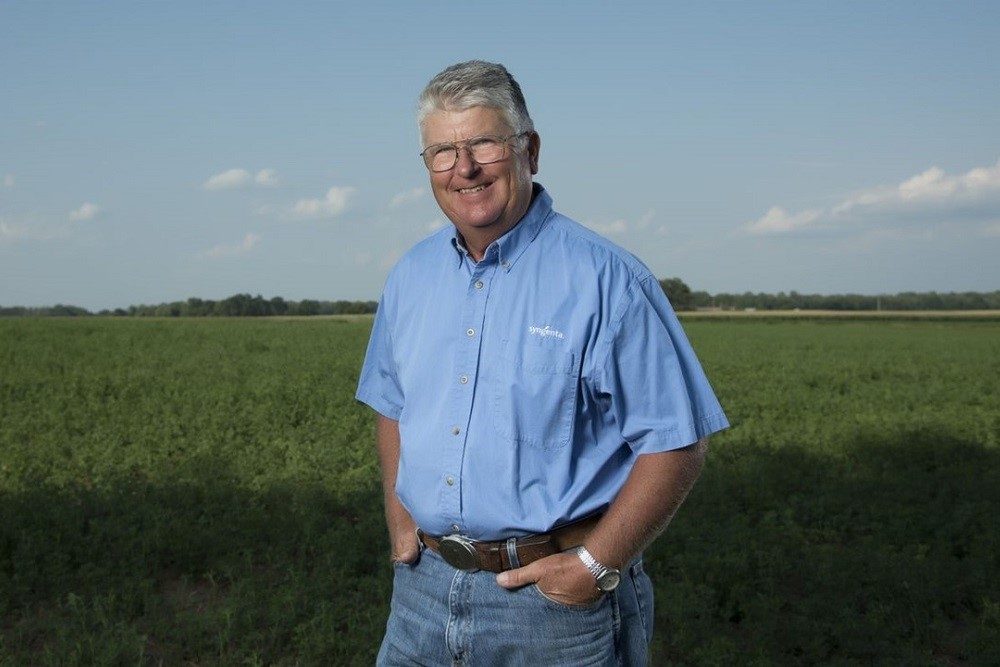
“The fungicide pass on soybeans is timed at R3. That’s the sweet spot,” said Phil Krieg, an agronomy service representative with Syngenta. “Because at R3, that soybean is going into a time period where it can’t work any harder.”
Krieg said several pod-feeding insects — including stink bugs and bean leaf beetles — often emerge during the same window when growers are making fungicide applications. By combining treatments into a single pass, farmers can address multiple threats at once while avoiding additional trips across fields during a busy growing season.
“If we can put a really good insecticide in with that R3 fungicide application, we really get a lot of extra yield out of putting those two together,” Krieg said. “We save time, and we reduce the amount of time we have to spend scouting after that.”
The strategy reflects a broader push in agriculture toward efficiency and precision management as farmers navigate tighter margins and increasingly unpredictable weather patterns. Fewer field passes can reduce fuel use, labor demands and equipment wear — all key concerns in an era of elevated production costs.
Krieg pointed to Syngenta’s Endigo® ZCX insecticide, which the company recommends pairing with its Miravis® Top or Miravis® Neo fungicides during the R3 stage. According to Krieg, the combined approach can help stop insect feeding quickly while protecting plants from disease pressure late in the season.
“You have really created a great environment to finish that soybean crop out successfully,” he said.
Krieg estimated the return on investment from the insecticide application alone can amount to an additional two to three bushels per acre under favorable conditions — gains that can become significant across hundreds or thousands of acres.
Agronomists caution, however, that pest pressure and disease risks vary widely depending on geography, weather and crop conditions, making field scouting and local recommendations still critical components of any crop protection strategy.
CLICK HERE to learn more about crop protection products and programs available through Syngenta.