


While much of Indiana’s farm country has raced through spring planting under unusually favorable conditions, farmers across the northeastern corner of the state are still struggling to recover from weeks of relentless rain, saturated fields and mounting delays that have left tractors parked and seed sitting in storage.
According to the latest USDA Crop Progress Report, 76 percent of Indiana’s corn crop has been planted, along with 74 percent of soybeans — figures that suggest farmers statewide are largely on pace. But those statewide numbers mask a sharp regional divide emerging across Indiana this spring.
South of Indianapolis, many farmers wrapped up planting weeks ago after benefiting from drier weather and longer stretches of workable field conditions. In northeastern Indiana, however, repeated rainfall events turned fields into muddy expanses, preventing heavy equipment from entering fields without risking severe soil compaction and long-term crop damage.
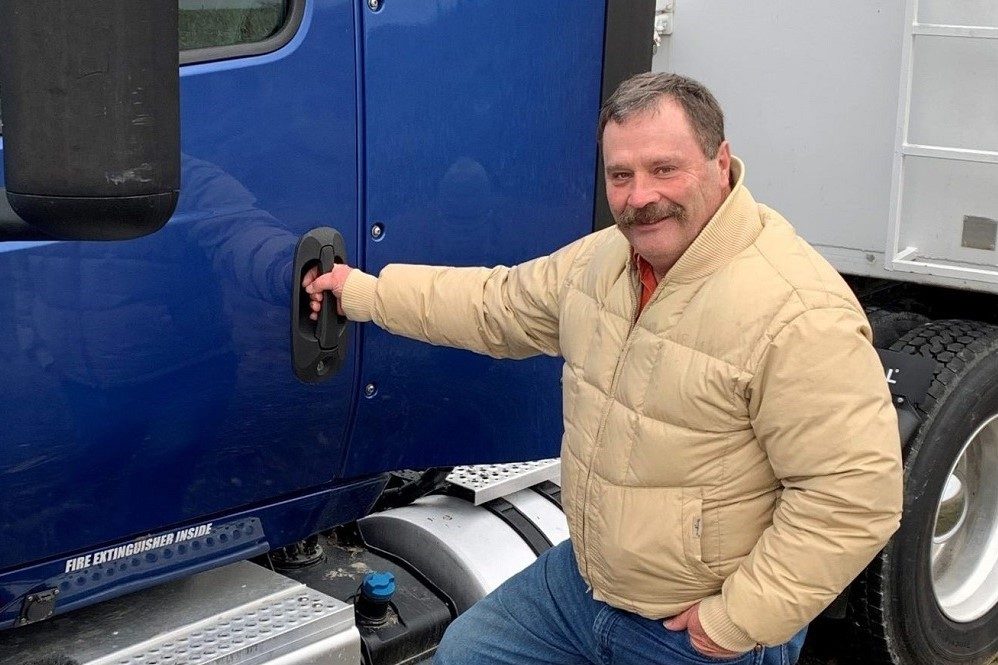
“The last four days in Noble County have been ideal for planting everything related to farm work, but the caveat is it’s only been the last four days,” said Tom Griffiths, who farms in northeastern Indiana.
The contrast has been especially striking for Griffiths, who said conversations with growers in other parts of the state underscored just how far behind Noble County had fallen during the height of planting season.
“I can remember listening to the radio—probably May 15th—listening to farmers in Southern Indiana that were completely done. At that time, Noble County was practically zero, if there was anything planted at all.”
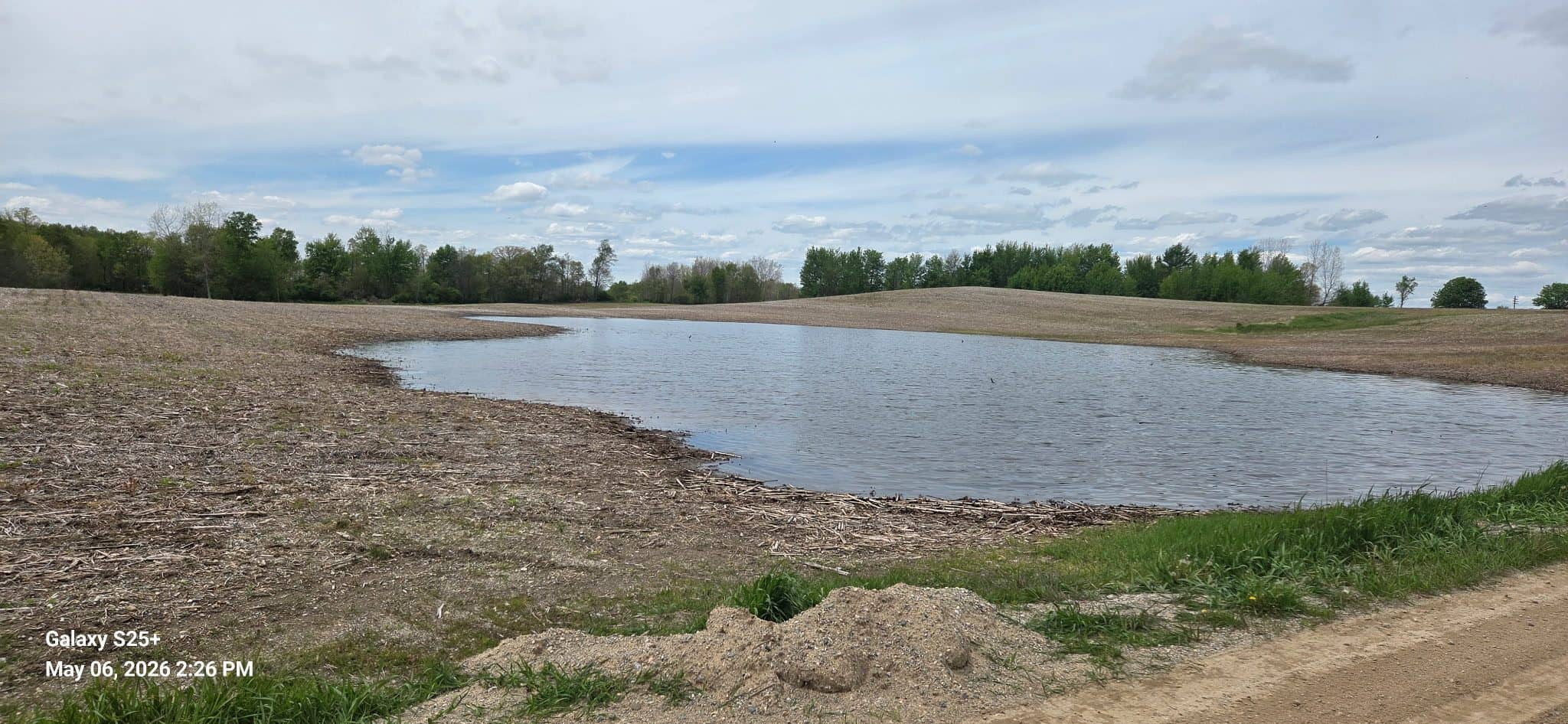
Now, after only a brief stretch of dry weather, farmers across the Fort Wayne region are scrambling to make up lost time. Some corn has emerged, but fields remain highly uneven, with neighboring farms in vastly different stages of planting progress. Griffiths estimates that nearly half the acreage in his immediate area still had not been planted until recently.
The prolonged wet conditions also disrupted critical spring fieldwork beyond planting itself. Cover crops continued growing unchecked while herbicide applications and tillage work were repeatedly delayed by saturated soils and standing water.
“There are a lot of cover crops that kind of got out of control, just because the lack of ability to get on them and get them taken care of. There’s been a lot of fieldwork done only in the last five or six days,” he said.
The recent dry stretch has transformed the landscape almost overnight. Across northeastern Indiana, tractors, sprayers and planters have filled fields from dawn until well after sunset as farmers attempt to compress several weeks of missed work into a narrow weather window.
At the same time, many producers are already cutting hay earlier than usual, taking advantage of an unusually favorable forecast that Griffiths described as nearly perfect for haymaking.
“I’ve seen countless tractors in the field trying to get things caught up. It’s kind of early to be making hay up here, but we’re seeing 7 to 10 days of perfect haymaking. So, I’ve noticed that the hay is probably only three-quarters of what it normally is, only because it’s been early.”
Despite the mounting pressure that often accompanies delayed planting, Griffiths said patience may ultimately prove more valuable than rushing into marginal field conditions — a lesson many farmers know well after difficult springs.
“I guess my advice is, you’ll get it when you get it. We’re just going to have to be patient,” said Griffiths. “I’ve put in some beans that were probably not in the best conditions, and I’m kind of starting to regret that. But, time will tell.”
Agronomists frequently note that delayed planting alone does not determine the outcome of a growing season. Summer rainfall, temperature patterns and late-season weather can still significantly influence final yields. But for many farmers across northeastern Indiana, the unusually wet spring of 2026 has already become a test of endurance, timing and restraint.
CLICK BELOW for Hoosier Ag Today’s radio news report: