

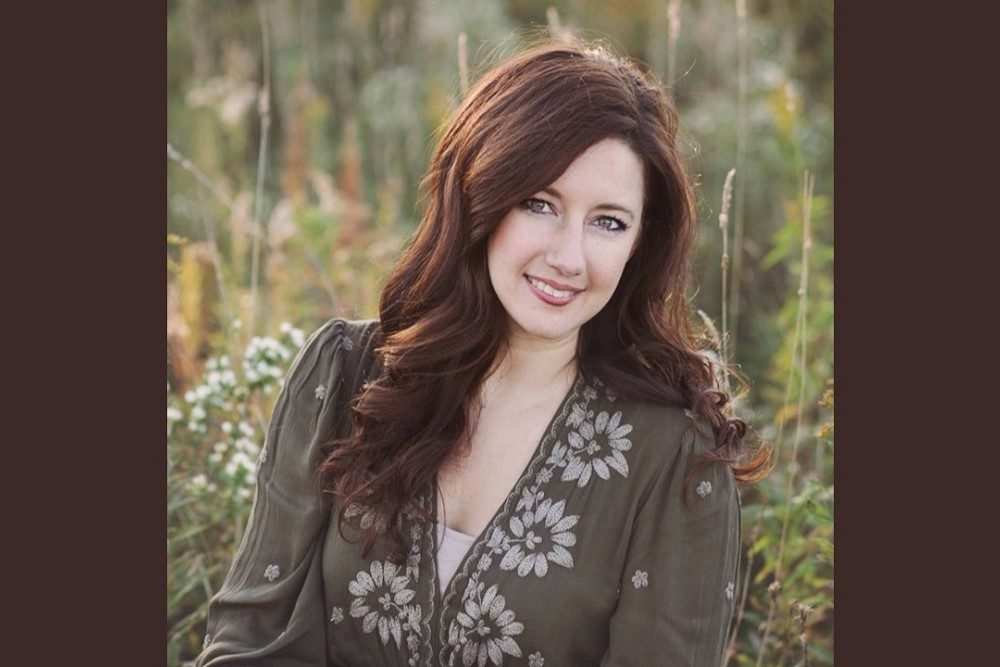
Indiana pork producer Alayne Johnson has spent much of the past several years traveling far beyond the barns and grain fields of her family’s farm in northeastern Indiana, helping shape national conversations about the future of the U.S. pork industry.
Now, the fifth-generation farmer from Whitley County has been selected for another three-year term on the National Pork Board, extending her role as one of the country’s most visible advocates for pork producers at a time when the industry faces mounting economic pressures, shifting consumer expectations and growing competition in global markets.
Johnson, who co-owns Shady Grove Farms near Columbia City with her husband and family, was among five producers appointed this week to the 15-member board that oversees the federally authorized Pork Checkoff program. The board directs investments in research, promotion and consumer education efforts funded through assessments on hog sales and pork imports.
For Johnson, the reappointment represents more than a leadership title. It reflects what she describes as a continuing effort to bridge the widening gap between consumers and modern agriculture.
“My goal, from the very start, is to do whatever I can to help bring our industry together and really make a difference in this industry,” Johnson said in an interview earlier this spring with Hoosier Ag Today.
Johnson previously served on the board from 2022 through 2025, including leadership roles as treasurer and chair of the Finance Committee. She also participated in strategic planning, nutrition and research initiatives aimed at positioning the pork industry for long-term growth.
“It is an honor to represent and serve not only Indiana, but America’s 60,000 pork producers on the National Pork Board of Directors,” Johnson said in a statement announcing her new term. “While no two farms look exactly alike, every farmer I’ve met shares the same deep passion — for the pigs they raise and for providing American consumers with safe, nutritious, and delicious pork.”
The reappointment comes as pork producers nationwide confront a difficult mix of volatile feed costs, uncertain export markets and increased scrutiny over animal welfare and environmental practices. Industry leaders have also intensified efforts to attract younger consumers whose eating habits have shifted amid growing competition from poultry, beef and plant-based alternatives.
The National Pork Board has increasingly focused on campaigns designed to modernize pork’s image and expand domestic demand, particularly among millennials and Generation Z consumers.
“We want everyone to remember the new tagline, ‘Taste what pork can do,’” Johnson said in the April interview. “That’s one of our efforts right now that we’re using to drive our domestic demand.”
She added that export growth remains equally critical for producers across the country.
“We also [want to keep] that 30% of our product that is exported growing,” Johnson said. “By diversifying those markets, our emerging markets, it really helps us protect our position in the global space.”
David Newman, chief executive of the National Pork Board, said producer voices remain central to the organization’s mission as the industry navigates increasingly complex challenges.
“The checkoff was built by producers for producers, so their experiences and ideas are critical to keep us moving forward,” Newman said in a statement. “The checkoff exists to tackle big challenges that producers can’t solve entirely on their own, like disease elimination and increasing U.S. pork consumption.”
Johnson’s colleagues in Indiana agriculture say her local leadership experience has helped shape her national perspective. In addition to serving on the National Pork Board, she sits on the Indiana Pork Board of Directors, participates in promotion efforts and serves as president of the Whitley County Farm Bureau.
Josh Trenary, executive director of Indiana Pork, said Johnson has become an important voice in helping producers communicate more effectively with consumers.
“Alayne brings a perspective to the National Pork Board that we want the organization to have — that of a livestock farmer with a tremendous amount of local engagement experience on behalf of the pork industry,” Trenary said. “Having learned to communicate about the industry in those settings helps Alayne inform the National Pork Board on how it can support all producers in having similar conversations in their communities.”
Johnson said her involvement in agricultural leadership grew organically through years of community engagement and industry service.
“Well, I guess they asked,” she said with a laugh during the spring interview. “It’s one of those things where you keep showing up, and you see a need for producers to continue to engage with our communities and our consumers, and help them to really understand what we’re doing.”
She added that her family’s experiences receiving support from farm organizations motivated her to give back.
“Our family has been so fortunate to have people with Indiana Pork and Indiana Farm Bureau show up for us and help support us,” Johnson said. “So, I really felt it was important that when they ask for help, that we show up for them too.”
The newly appointed board members begin their terms in June. Alongside Johnson, the new slate includes producers from Missouri, North Carolina, Minnesota and South Dakota.
For Johnson, however, the work ahead appears less about titles than unfinished business.
“There’s more work to be done,” she said. “When I had the opportunity to throw my name back in the ring, I was really excited to be able to do that and continue the good work that’s being done.”