

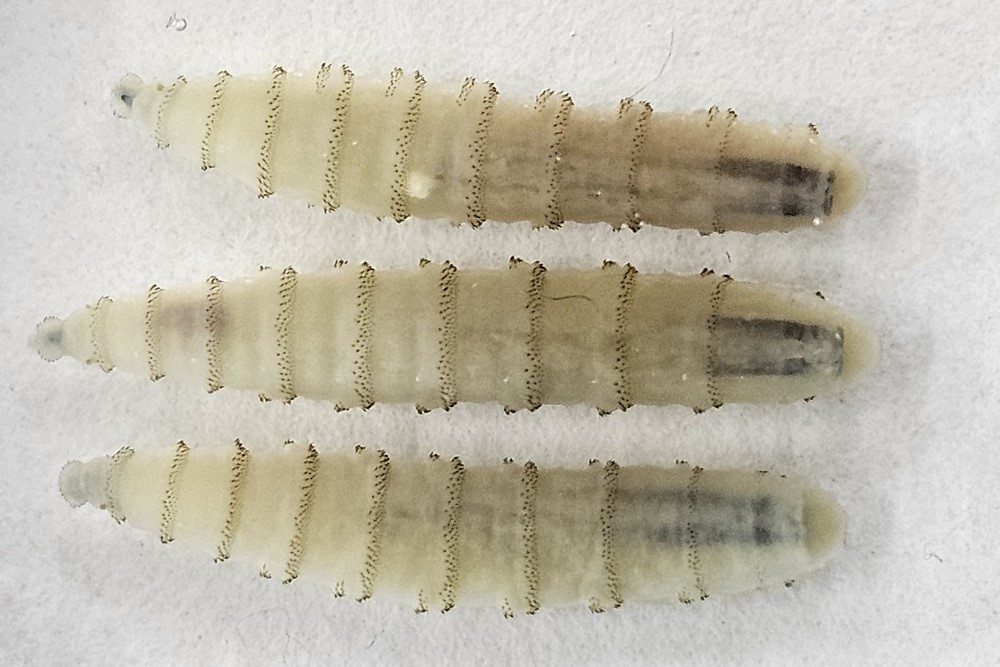
A suspected case of the New World screwworm, a flesh-eating parasite capable of devastating livestock populations, has prompted an immediate federal response in South Texas as agriculture officials work to determine whether the pest has crossed into the United States for the first time in decades.
The U.S. Department of Agriculture said Wednesday that a sample from a potential New World screwworm infestation has been sent to the agency’s National Veterinary Services Laboratories in Ames, Iowa, for confirmatory testing. Federal officials said personnel have already been deployed to the area and are coordinating with state and local partners while awaiting laboratory results.
A case of NWS may have been detected in South Texas. The sample is now at USDA’s National Veterinary Services Laboratories (NVSL) in Ames, lowa for confirmatory testing. We will provide updates the moment results are available.
We have already activated personnel on the ground…
— Dept. of Agriculture (@USDA) June 3, 2026
“A case of NWS may have been detected in South Texas,” USDA said in a statement posted on social media Wednesday afternoon. “We have already activated personnel on the ground and are working with local partners.”
The agency pledged to provide updates as soon as testing is complete, adding that the public can expect “transparency, candor, and most important — action.”
The announcement rattled livestock markets and intensified concerns among ranchers and animal health officials who have spent months preparing for the possibility that the parasite could reach the U.S. border. According to Reuters, the suspected case involves samples collected from two calves on a ranch near La Pryor, Texas, about 50 miles from the Mexican border. A source who participated in a USDA briefing described the case as “presumptive positive,” meaning an initial test indicated the possible presence of the parasite but confirmation is still required.
Texas animal health officials stressed that no confirmed case has been identified in the state.
The development comes just one day after Agriculture Secretary Brooke Rollins announced that Mexican authorities had confirmed a New World screwworm infection in a goat in Coahuila, Mexico, roughly 25 miles south of the Texas border. That case represented the northernmost confirmed detection in the current outbreak and heightened fears that the parasite was moving closer to U.S. livestock operations.
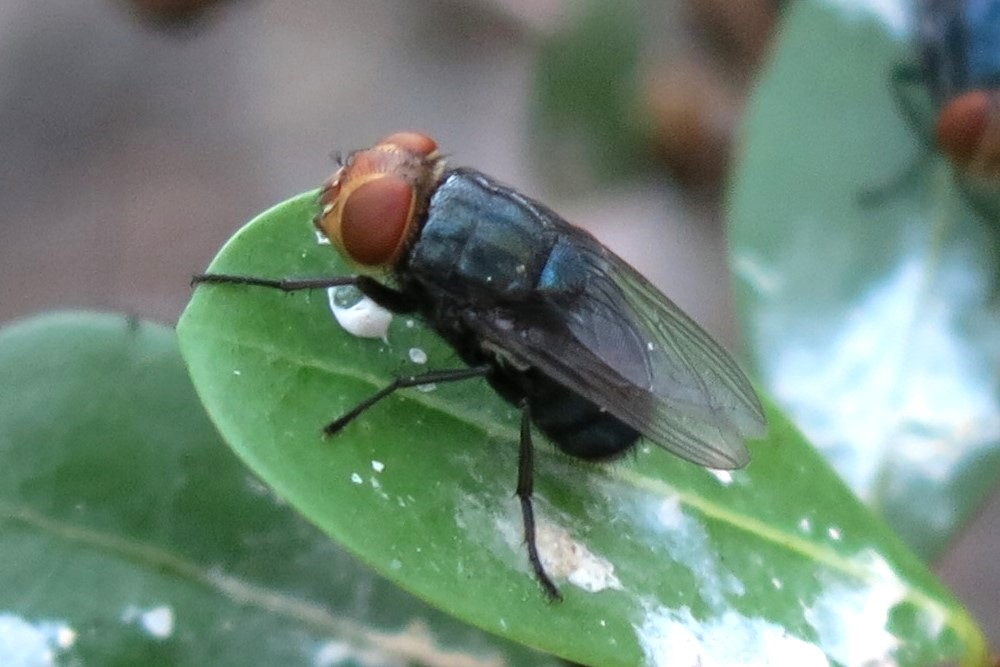
The New World screwworm, eradicated from the United States in the 1960s, is considered one of the most destructive livestock pests in the Western Hemisphere. Unlike many parasites that feed on dead tissue, screwworm larvae burrow into and consume the living flesh of warm-blooded animals. Female flies lay eggs in open wounds or body openings, and the resulting larvae can inflict severe injuries, secondary infections and, in some cases, death.
Cattle are particularly vulnerable, though the parasite can also infect wildlife, pets and, more rarely, humans.
The pest’s gradual march northward through Central America and Mexico has alarmed livestock producers across the southern United States. Mexico reported its first case of the current outbreak in 2024 after infections spread through several Central American countries, including Panama, Costa Rica, Nicaragua and Honduras.
Federal and state officials have spent months preparing for the possibility that the parasite could reach the United States. In May 2025, USDA suspended imports of live cattle and other livestock through southern ports of entry from Mexico in an effort to slow the pest’s advance. The agency has also expanded surveillance efforts and accelerated investments in sterile-fly production and dispersal programs.
The sterile insect technique — widely credited with eliminating the pest from the United States more than half a century ago — involves releasing millions of sterile male flies into affected areas. Because female screwworm flies mate only once, reproduction gradually collapses when they breed with sterile males.
To strengthen those efforts, U.S. officials have worked with counterparts in Mexico and Panama to expand production capacity. New sterile-fly facilities have been established in Mexico, and additional production and dispersal operations are being developed in South Texas.
For now, however, officials caution that the South Texas detection remains only a suspected case.
The laboratory results expected from Iowa in the coming days could determine whether the United States is facing a renewed battle against a pest that livestock producers have spent generations trying to keep out. If confirmed, the finding would mark a significant escalation in the government’s efforts to contain the parasite and protect one of the nation’s most important agricultural industries.