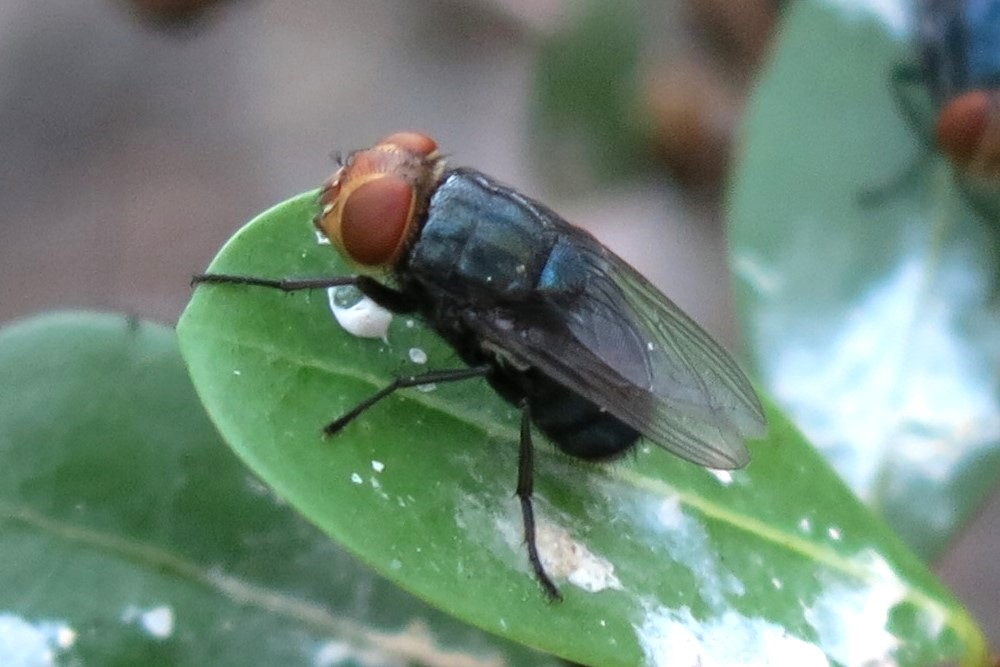

The U.S. Department of Agriculture has confirmed its first case of New World screwworm in decades, a development livestock officials have feared for months as the destructive flesh-eating parasite advanced steadily north through Mexico toward the U.S. border.
USDA announced late Wednesday that laboratory testing confirmed the presence of New World screwworm in a 3-week-old calf in Zavala County, Texas, prompting an immediate federal and state response aimed at containing and eradicating the pest before it can establish itself in the country.
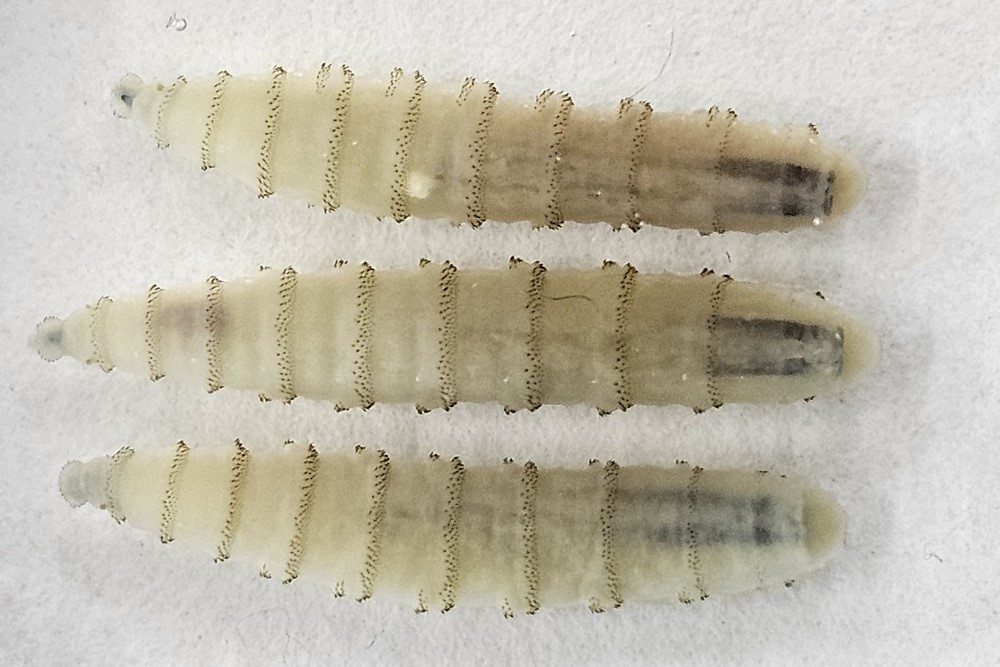
The larvae were discovered in the calf’s umbilical area, according to USDA’s Animal and Plant Health Inspection Service. Officials said no additional cases have been detected.
The confirmation came just hours after USDA disclosed that a sample from a suspected infestation in South Texas had been sent to the agency’s National Veterinary Services Laboratories in Ames, Iowa, for testing. Earlier Wednesday, the department said it had already activated personnel on the ground and begun coordinating with local partners as a precaution.
The finding represents a significant challenge for U.S. animal health officials and the livestock industry. New World screwworm, a parasitic fly whose larvae feed on the living tissue of warm-blooded animals, was eradicated from the United States in the 1960s through an intensive sterile insect program that remains one of the most celebrated pest-control campaigns in agricultural history.
Since then, the pest has been largely confined to Central America. But over the past several years, outbreaks have spread northward through the region and into Mexico, raising alarm among cattle producers, veterinarians and federal regulators.
The confirmed Texas case comes just one day after Agriculture Secretary Brooke Rollins announced that Mexican authorities had detected New World screwworm in a goat in the state of Coahuila, roughly 25 miles south of the Texas border — the closest confirmed case to the United States before Wednesday’s announcement.
Federal officials have spent more than a year preparing for the possibility that the parasite would eventually cross the border.
“All models showed New World Screwworm entering the country in 2025; however, thanks to the hard work across the entire Trump administration and our industry, state, and local partners, we were able to buy time for this moment,” Dudley Hoskins, USDA’s under secretary for marketing and regulatory programs, said in a statement. “Protecting our livestock industry is a national security issue of the utmost importance, and USDA is wasting no time in taking action.”
USDA and the Texas Animal Health Commission have established a unified incident command structure and imposed a 20-kilometer quarantine zone surrounding the detection site. Officials said they are implementing movement controls, enhanced surveillance and increased trapping efforts in the region.
The agency is also accelerating the release of sterile male screwworm flies, a strategy that proved successful during the original eradication campaign. USDA said it will immediately deploy ground-release chambers in the area in addition to the 4 million sterile flies already being dispersed weekly by air.
The sterile insect technique works by flooding affected areas with sterilized male flies. Because female screwworm flies typically mate only once during their lives, reproduction eventually collapses when enough sterile males are present.
The United States has invested heavily in expanding those capabilities as the outbreak moved closer. In recent months, federal officials have supported new sterile-fly production and dispersal facilities in Mexico and South Texas while increasing surveillance efforts along the border. USDA also suspended imports of live cattle, horses and bison from Mexico in an effort to slow the parasite’s advance.
For ranchers, the stakes are substantial.
The larvae of the New World screwworm fly invade open wounds and body openings, consuming living tissue as they grow. Infested animals can suffer severe injuries, secondary infections and death if left untreated. While livestock are the primary concern, the parasite can also affect wildlife, pets and, in rare cases, humans.
Texas, home to the nation’s largest cattle herd, would be particularly vulnerable to a widespread outbreak. Industry leaders and state officials have repeatedly warned that an established screwworm population could inflict significant economic losses on ranchers and disrupt livestock markets across the country.
USDA sought to reassure consumers Wednesday that the nation’s food supply remains safe.
The parasite does not infest meat products, fruits or vegetables, officials said. Federal meat inspectors are trained to identify signs of infestation, and affected animals would be barred from entering the commercial food supply.
Officials are urging livestock owners and pet owners in South Texas to monitor animals closely for unusual wounds, drainage, signs of discomfort or the presence of larvae around the nose, ears, navel or other body openings. Suspected cases should be reported immediately to state animal health authorities or USDA veterinarians.
Whether the Texas detection proves to be an isolated incident or the beginning of a broader outbreak may become clearer in the coming weeks. For now, federal officials are racing to contain the parasite using the same tools that eliminated it from the United States more than half a century ago.
“The United States has defeated this pest before,” Hoskins said, “and we will do it again.”
National Cattlemen’s Beef Association (NCBA) CEO Colin Woodall issued the following statement on Wednesday evening:
“NCBA and our state partner organizations have been working for more than a year to combat the incursion of the New World Screwworm, and we are doing everything possible to protect the interests of American cattle producers.
“We appreciate USDA and other agencies for working rapidly to bolster critical resources that protect producers, including building a domestic sterile fly facility, increasing fly surveillance, and expediting the availability of necessary drugs and treatments for cattle.
“We defeated this harmful pest before in the 1960s by investing heavily in sterile fly dispersal and NCBA will continue using every tool in the toolbox to ensure Screwworm is eradicated in the U.S. once again.”
Zippy Duvall, president of American Farm Bureau Federation, released the following statement on Wednesday evening:
“The re-emergence of New World screwworm in the United States after 60 years will have an immediate impact on farmers and ranchers in the affected areas. We are confident that the longstanding coordination between the states and USDA will enable a quick response and hopefully limit the negative impacts and resulting market volatility.
“We encourage farmers, ranchers and pet owners to familiarize themselves with the signs of NWS and notify a veterinarian if infection is suspected. It is important to be clear about the fact that this re-emergence does not threaten the safety of our food supply. We are fortunate to have one of the safest food supplies in the world, which includes multiple layers of protection.
“We knew the screwworm could one day migrate north, and we appreciate USDA and Secretary Rollins for the coordination and mitigation efforts that have already occurred. Farm Bureau is committed to working with USDA and the affected areas in any way to eliminate this pest once again from the U.S.”