

As federal and state animal health officials work to keep New World Screwworm from gaining a foothold in the United States, the beef industry is stepping up efforts to educate cattle producers about one of livestock agriculture’s most destructive parasites.
The National Cattlemen’s Beef Association (NCBA), through the Beef Checkoff Program, has launched a suite of educational resources designed to help producers identify, prevent and respond to potential infestations of New World Screwworm, a flesh-eating fly larva capable of causing severe injury and death in livestock.
The materials, available free of charge through the Beef Quality Assurance program, include identification guides, treatment recommendations and on-farm preparedness posters in both English and Spanish.
The educational push comes amid heightened attention to the pest following recent detections in Mexico and concerns about its potential spread northward. Federal officials have intensified surveillance and response efforts, emphasizing the importance of early detection and rapid reporting by livestock producers.
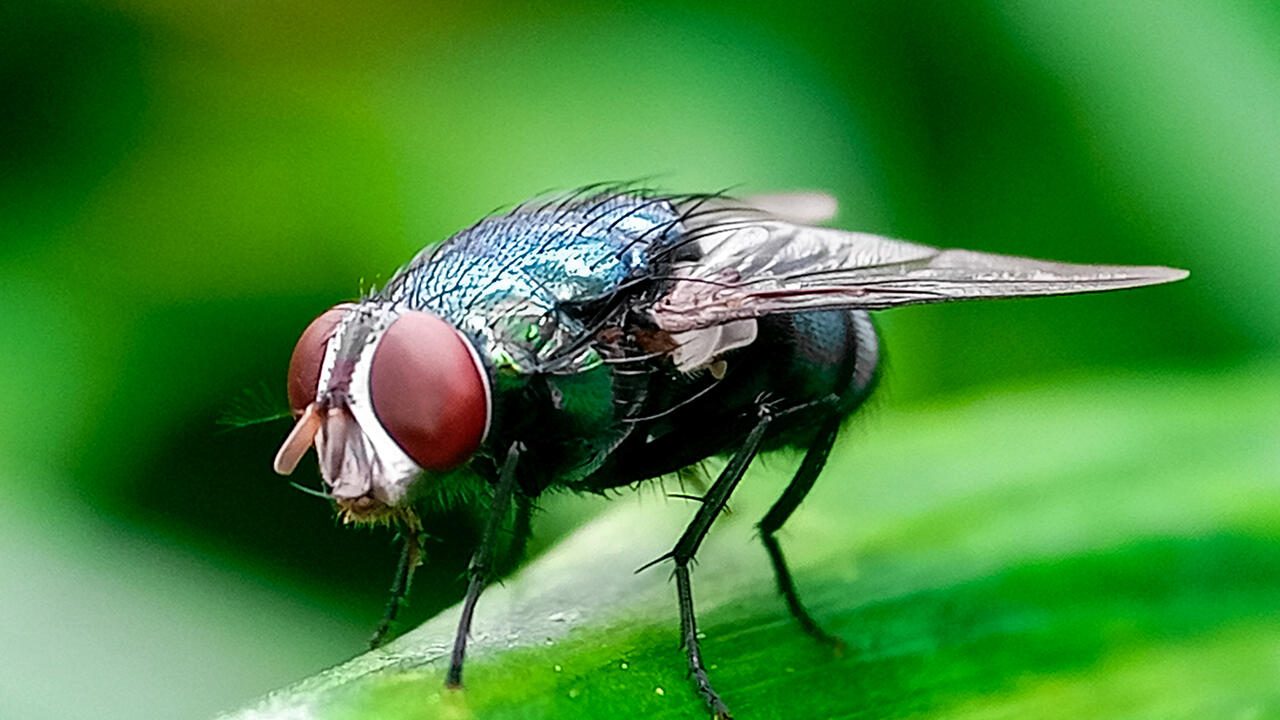
Unlike common maggots that feed on dead tissue, New World Screwworm larvae attack living flesh. Adult female flies lay eggs in open wounds, and once hatched, the larvae burrow deeper into tissue as they feed, creating painful and potentially life-threatening infestations.
Agricultural officials stress that the parasite is not a food safety concern and cannot be transmitted to humans through beef or other food products.
According to guidance distributed by the beef industry and federal animal health authorities, producers should be particularly vigilant in monitoring animals with open wounds. Common infestation sites include untreated umbilical cords in newborn livestock, foot lesions and injuries caused by routine management practices.
Experts recommend delaying elective procedures that create wounds—including branding, dehorning, castration, tail docking and ear notching—if a screwworm outbreak occurs nearby. Producers are also encouraged to inspect fences, facilities and handling equipment for sharp objects that could injure animals and create opportunities for infestation.
Early signs of infection can include unusual agitation, head shaking, a foul odor from wounds and the presence of visible maggots. Because New World Screwworm larvae feed on living tissue, they often burrow deep into wounds, making infestations especially difficult to detect in their early stages.
Animals suffering from infestations may stop eating, become depressed and isolate themselves from the herd. Left untreated, infestations can cause extensive tissue damage and, in severe cases, death.
Veterinarians and animal health officials say rapid reporting is critical. Producers who observe suspicious wounds or larvae are urged to immediately contact an accredited veterinarian, their state animal health official or the U.S. Department of Agriculture.
Treatment typically involves cleaning wounds, manually removing larvae, applying approved insecticides and following up with additional treatments until healing is complete. In areas under active control measures, federal guidance recommends treating wounds every two to three days to prevent female flies from laying additional eggs and to eliminate any larvae that remain.
The guidance also extends to transportation and biosecurity practices. Livestock trailers, holding facilities and equipment that may have been exposed to infested animals should be thoroughly cleaned and treated with insecticides. Because screwworm larvae can pupate in soil, manure, bedding and other organic material, animal waste and contaminated materials require careful disposal.
The beef industry’s new educational campaign reflects a broader effort to ensure producers are prepared should the parasite move closer to U.S. livestock operations.
Officials say awareness remains one of the most effective tools for preventing the spread of New World Screwworm. Producers are encouraged to familiarize themselves with identification materials, routinely inspect livestock and report any suspected cases immediately.