

A growing outbreak of New World screwworm in Texas has prompted state and federal officials to expand containment measures, launch new training programs and intensify surveillance efforts as concerns mount over the parasite’s spread through one of the nation’s most important livestock-producing regions.
The U.S. Department of Agriculture has confirmed 12 cases of New World screwworm infestations in the United States, including 11 in Texas and one in neighboring New Mexico. The latest Texas case was identified in a sheep in Sutton County, about 135 miles northwest of San Antonio, raising concerns that the outbreak is moving beyond South Texas and into broader livestock-producing areas of the state.
Texas animal health officials have established multiple quarantine zones where livestock movement is restricted. Animals cannot leave designated infestation areas without authorization, a measure intended to slow the spread of the parasite while allowing commerce to continue under strict oversight.
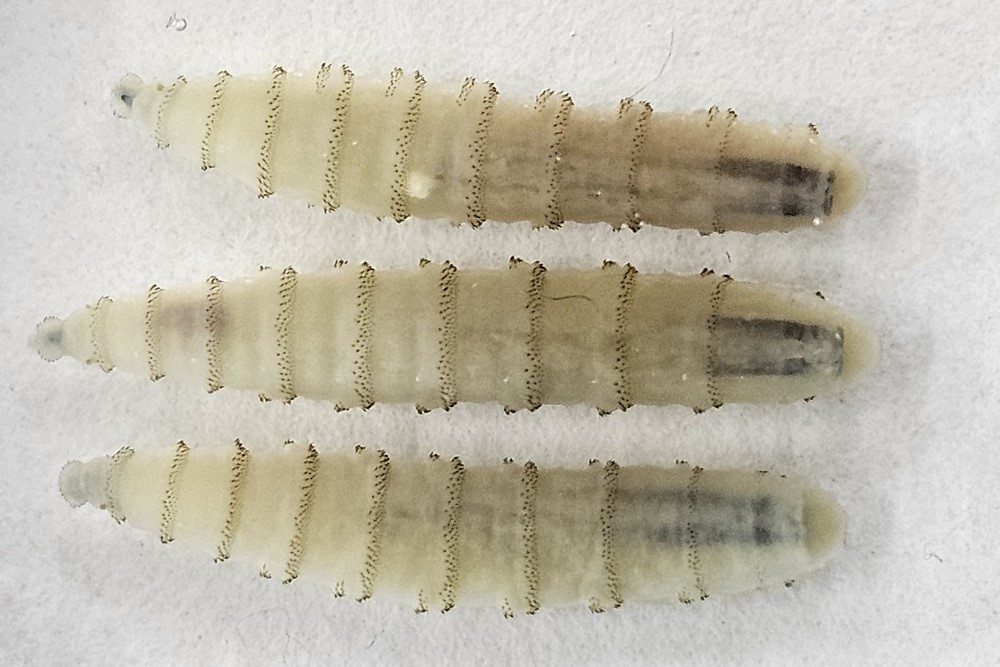
The New World screwworm, eradicated from the United States in the 1960s, has reemerged after advancing northward through Mexico from Central America. The pest is the larval stage of a parasitic fly that lays eggs in wounds or body openings of warm-blooded animals. Once hatched, the larvae feed on living tissue, causing severe injuries that can become fatal if left untreated.
The parasite can affect cattle, sheep, goats, wildlife, pets and, in rare instances, humans.
The outbreak has alarmed Texas ranchers and livestock producers, particularly as confirmed infestations have appeared farther north than earlier cases. Texas remains the nation’s leading cattle-producing state, and industry leaders warn that a widespread infestation could have major economic consequences for ranchers and related agricultural businesses.
State and federal authorities have responded with a combination of quarantines, inspections, testing and the release of millions of sterile male screwworm flies. The sterile insect technique, which helped eradicate the pest decades ago, works by preventing successful reproduction because female screwworm flies typically mate only once.
Texas Gov. Greg Abbott has issued a disaster declaration covering all 254 counties in the state, underscoring the seriousness of the threat. Officials continue to urge livestock owners to inspect animals regularly and report suspected infestations immediately to veterinarians or animal health authorities.
To bolster containment efforts, Texas has launched a free online certification program designed to expand the number of qualified New World screwworm inspectors across the state.
The training, developed by Texas A&M AgriLife Extension in partnership with USDA’s Animal and Plant Health Inspection Service, the Texas Animal Health Commission and the Texas Parks and Wildlife Department, provides instruction on screwworm biology, detection, treatment protocols and livestock movement requirements.
Individuals who complete the program and pass a final examination may become certified inspectors authorized to issue treatment and movement certificates for livestock leaving infested areas.
Eligible participants include veterinarians, veterinary technicians, agricultural extension agents, state inspectors, animal control officers and livestock law enforcement personnel. Officials said additional groups may be added in future phases of the program.
“The state of Texas will use every tool to protect our cattle industry and wildlife while we eradicate this pest,” Abbott said in a statement announcing the initiative.
Agriculture Secretary Brooke Rollins said expanding the state’s inspection capacity is essential to stopping the outbreak before it spreads further.
Officials have also encouraged pet owners to monitor animals for wounds, unusual behavior or signs of infestation. Experts warn that body secretions and untreated injuries can attract screwworm flies, increasing the risk of infection.
Despite the growing number of cases, officials emphasize that properly handled meat remains safe to eat and that New World screwworm is not transmitted through meat products.
For now, animal health authorities say early detection remains the most effective defense against a wider outbreak. As surveillance expands and quarantine zones remain in place, livestock producers across Texas are being urged to remain vigilant while officials race to contain a pest that once took decades of coordinated effort to eliminate from the United States.