


Mid-July in the Indiana is traditionally a time of anxious waiting as row crops enter their critical reproductive stages. This year, the stakes feel even higher for Hoosier producers, who are managing a highly variable crop that has bounced from early frost risks to a punishing mid-summer heat dome.
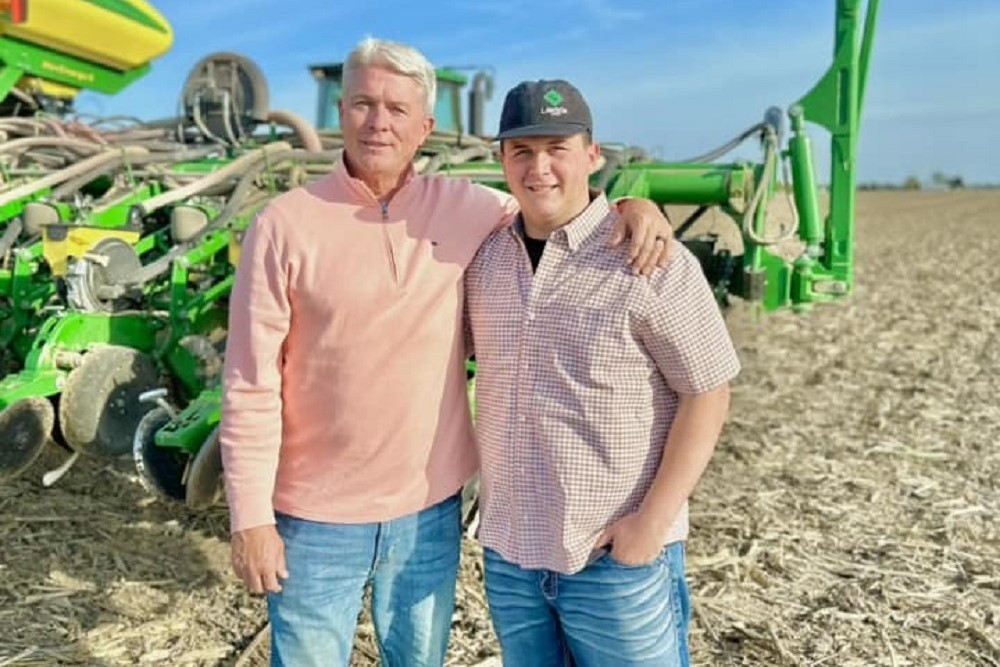
For David Lawson, who farms near Shelbyville in Shelby County, the uneven nature of the 2026 season has been evident since the planters first rolled.
“We started out, we got a lot of beans planted early, and we did have some frost on them,” Lawson says, reflecting on the spring. “I think we had some that had at least a light frost on them, probably two or three times, and I think it set them back. I felt like the beans probably took it a little harder than the corn as far as the growth. I think our beans should have been a lot bigger a lot earlier.”
Despite the early setbacks and frost damage, Lawson notes that Shelby County remains relatively fortunate compared to other regions in the state where heavy spring rains delayed field entries entirely.
“I know when you drive around and you look at some of the crop conditions in other areas away from Shelby County, I think we’re in pretty good shape overall,” Lawson says. “I know a lot of areas of the state, southern areas, had a hard time getting planted and are quite a bit farther behind than we are. But I’d say where we’re at, we’re pretty fortunate, even though we had a tough start.”
Heat Dome Pinches Pollination
The primary headache for central Indiana growers has shifted from too much spring water to a distinct lack of summer moisture. A persistent ridge of high pressure—popularly dubbed the “heat dome”—brought mid-90s temperatures and high humidity around the Fourth of July holiday, right as early corn fields began to silk.
Compounding the heat stress is an expanding regional drought. While parts of northern Indiana have captured multi-inch rains, Shelbyville has missed out on the treasury. Lawson notes his farm has scraped together just a tenth of an inch of rain over the last two weeks. The combination of intense heat and dry soils has caused localized pollination issues.
“I do know that it has affected pollination in some areas where the kernels are kind of erratic, and that could be a big problem,” Lawson explains. “I think by and large, most people probably don’t have that problem, and I think the window that that really high heat hit didn’t affect that many people around me. But as far as around the area and in Central Indiana, I think maybe there are some people affected by that.”
Defensive Strategy: Guarding Against Tar Spot
As if weather stress weren’t enough, central Indiana farmers are keeping their eyes peeled for disease pressures. Fungal issues like Tar Spot have become an annual threat in the Midwest, capable of rapidly tearing through a corn canopy if left unchecked.
While early detections of Tar Spot have popped up in neighboring Rush County in early-planted corn, Lawson hasn’t seen the telltale black spots in his fields just yet. However, with the crop sitting at a vulnerable growth stage, he believes the window for disease development is wide open.
“I feel like it’s just on the edge. If we’re going to have a problem, we’re going to see it in the next week or two,” Lawson warns.
To protect yield potential, Lawson is opting for a proactive defense, pulling the trigger on fungicide applications despite the painful math of today’s grain markets.
“A lot of people are starting to apply fungicide on corn, and soybeans are probably right around the corner as well. We like to start in that R3 stage, and we’re just right there,” Lawson says. “That’s our plan anyway, and I know a lot of people are on the fence about it. You’ve got lower prices and just high input costs, and that’s just another thing to have to add to that cost. But at the same time, you have to make sure you maintain that plant health.”
Looking Ahead to a Spread-Out Harvest
Because planting dates were dictated by localized windows of clear weather, field maturity across the state ranges from advanced to heavily delayed. Lawson expects this variance to result in a highly prolonged autumn harvest, forcing producers to stay flexible.
“I think our fall is going to be kind of spread out,” Lawson projects. “I know last year it seemed like we thought we had time to get ready to go, and everything dried down a little quicker than we thought. I think this year might be the same, at least for the stuff that got planted early. My plan is going to be to try to be ready a little bit earlier, and the things that are ready, we’ll try to get a jump on them and an early start. But I think we also have some things that are going to be a little bit later.”
For now, Indiana growers will continue to watch the weekly USDA reports, keep a weather eye on the radar, and hope that a few timely late-summer rains can help the crop push past the finish line.
CLICK BELOW for Hoosier Ag Today’s radio news report: