


America’s farmers who are waiting on lawmakers on Capitol Hill to finally deliver a modernized, five-year farm bill could get a clearer picture of the legislation’s path forward as soon as next week.
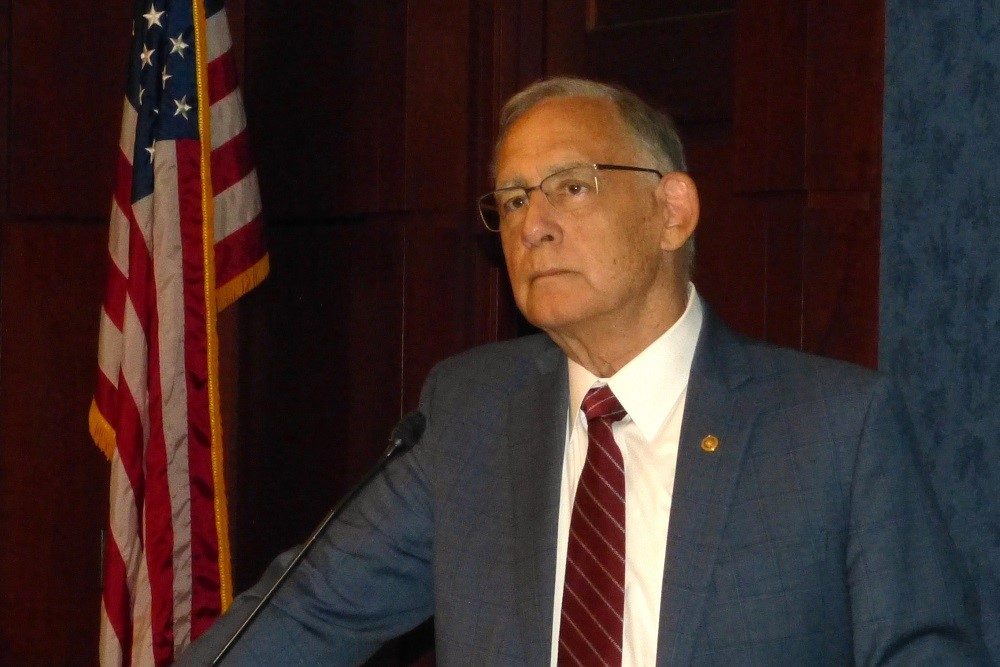
Senate Agriculture Committee Chairman John Boozman (R-Ark.) indicated that he is aiming to hold a committee markup next Thursday, August 6, just before lawmakers head home for a prolonged August recess.
However, the push to advance the long-overdue legislation—the 2018 iteration of which expired three years ago—faces significant hurdles. Committee Republicans find themselves shorthanded due to the continued absence of Senator Mitch McConnell (R-Ky.), who has not yet been medically cleared to return to Capitol Hill following a hospitalization and rehabilitation stint.
Without a full Republican roster, Boozman may need to secure cross-aisle support to clear the committee, making a bipartisan consensus more critical than ever.
The Stumbling Block: SNAP Cost Shifts
According to veteran lawmakers, bridging the partisan divide is proving more difficult this time around.
Speaking on the shifting dynamics in Congress, long-serving Iowa Senator Chuck Grassley noted the stark contrast between current negotiations and historical precedent.
“I think every other farm bill that I’ve worked on in the 46 years I’ve been in the United States Senate has been a bipartisan bill,” Grassley said. “It seems like this year, it’s very difficult to get Democratic support, mostly over a food stamp issue.”
That roadblock centers on the Supplemental Nutrition Assistance Program (SNAP). Committee Democrats, led by Ranking Member Amy Klobuchar (D-Minn.), are digging in their heels, demanding a two-year delay to SNAP cost-share requirements and changes regarding how states with higher payment error rates are penalized.
Klobuchar confirmed earlier this summer that adjustments to the nutrition title remain a core requirement for Democratic backing.
On the other side of the aisle, Chairman Boozman insists that states must be held accountable to rein in overpayments, setting up a classic Washington showdown over nutrition funding that has repeatedly derailed efforts to replace the 2018 farm bill.
The Cost of Delay
For corn and soybean producers across the Heartland, the legislative drag carries real financial weight. Boozman has frequently emphasized that the current framework relies on outdated 2012 baseline data—figures that bear little resemblance to today’s high input inflation, shifting trade landscapes, and softening commodity prices.
With the current farm bill extension ticking down toward its expiration date, time is growing short. Whether Boozman can forge a bipartisan path forward by next Thursday—or if the markup will slip further into the calendar—remains to be seen as the August recess looms.