

USDA’s aging farm-data system is under the microscope as response rates collapse and concerns grow over the accuracy of critical crop reports.
The National Agricultural Statistics Service (NASS) has relied on an outdated survey framework where participation has cratered from the high eighties down to a mere 35%. For farmers, grain buyers, and global markets, flying blind is no longer an option.
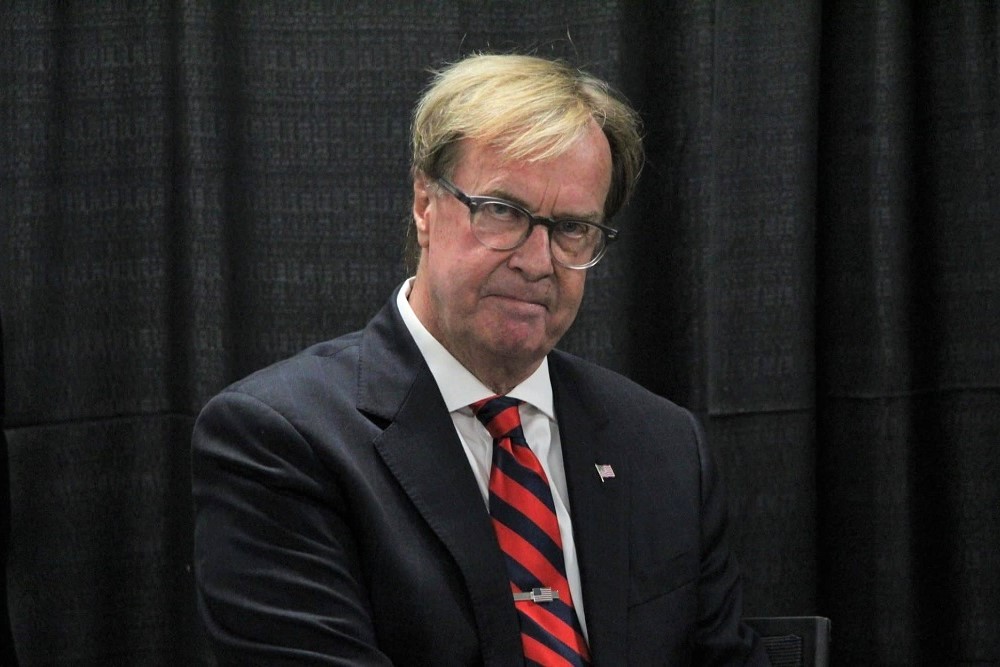
To tackle the crisis, the Trump administration and Agriculture Secretary Brooke Rollins has tapped Kip Tom, former U.S. Ambassador to the United Nations Agencies for Food and Agriculture, to lead an aggressive effort to modernize USDA’s National Agricultural Statistics Service (NASS). Tom is also an Indiana farmer and CEO of Tom Farms, which is based near Leesburg in Kosciusko County.
Tom laid out the stark reality facing the industry.
“We all count on the reliability, we have to have trust, we have to have accuracy, we have to have a proper cadence of release of these reports,” Tom said. “And I think it’s time we bring NASS up to the standards that we have in so many other parts of our lives today, the way we’ve digitized things so we can get good information in. And it needs to be passive information, coming in so we’re not burning a farmer sitting across the kitchen table from an enumerator filling out a paper survey…”
Shifting to Satellites and Speed
The modernization plan aims to replace cumbersome paper questionnaires with high-tech solutions. Tom points to advanced satellite imagery capable of scanning every acre down to five-meter accuracy, which could allow USDA to predict yields as early as July and transition sluggish monthly reports into biweekly updates.
“There are technologies out there that can actually scan the world every day, every acre down to five-meter accuracy, they can predict yields starting in July,” according to Tom. “So, I think we need to modernize it to the point where we get good information because this is important. If you’re a grain merchandiser, you want to know what’s going on. If you’re a farmer, you want to know what’s going on. If you’re a food producer or processor, you want to know what’s happening.”
The Cornerstone: Trust and Accuracy
With food security tied directly to national security, the integrity of agricultural data is paramount. Tom stresses that producers must have absolute confidence in how their data—including machine and field information—is handled, aggregated, and protected if the new system is going to succeed.
“We have to trust the data that’s being presented to us, but at the same time, we as farmers need to know that anything we’re sharing with USDA, whether it’s machine data, that we can trust them with that data,” Tom said. “To me, it’s important that we have the trust in the USDA to provide these reports so we as farmers can make good decisions. Without it, we’re kind of walking in the dark without a flashlight.”
As listening sessions roll out across the country, the race is on to bring NASS into the 21st century. For Tom and the administration, establishing the federal government as the gold standard for agricultural intelligence isn’t just about modernizing metrics—it’s about protecting the future of the farm.
CLICK BELOW for Hoosier Ag Today’s radio news report: