


For farmers in southern Indiana, the 2026 harvest is no longer a distant milestone—it’s already underway.
Combines began rolling across fields in Dubois County on Sept. 1, marking an early start to harvest in a region that has watched crops race toward maturity under a late-season blast of heat.
That early start stands in stark contrast to much of northern and central Indiana, where a cold, wet spring followed by summer storms, high winds and flooding has delayed crop development and pushed harvest weeks into the future.
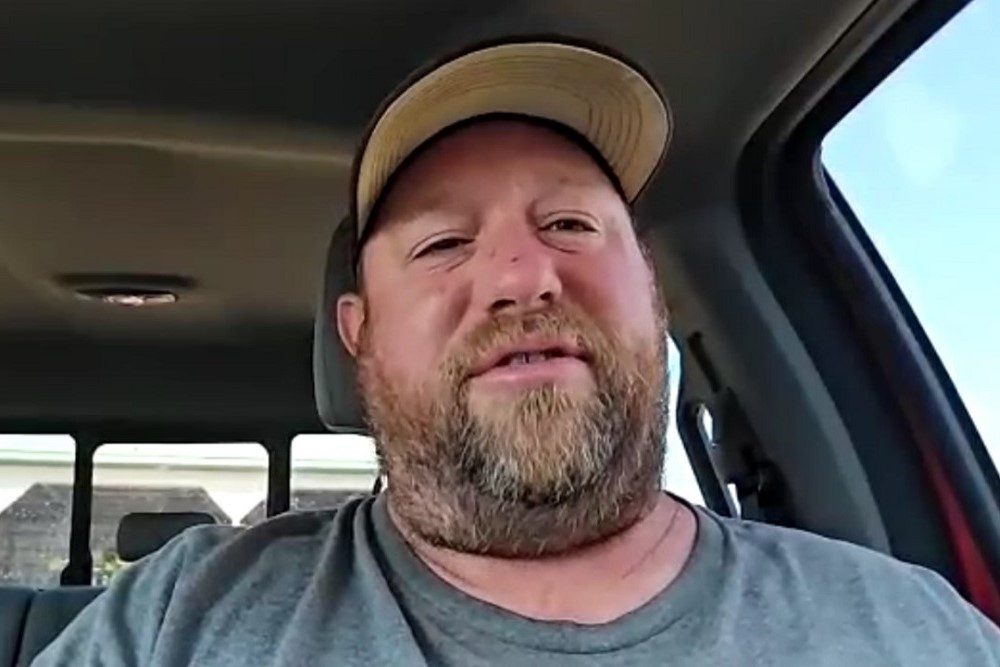
J.R. Roesner, who farms near Ferdinand, says the first fields are showing that the crop is ready to come out of the field.
“We started on Tuesday [Sept. 1]. A lot of guys in our area are running now, mainly corn, there has been some beans cut here and there,” says Roesner.
“The crops are definitely maturing fast and moistures are in the low to mid-20s on a lot of corn that we’re seeing.”
The intense heat that has helped accelerate crop maturity, however, comes with a cost.
With temperatures hovering near 100 degrees, getting behind the wheel of a combine has been anything but comfortable.
“You know, from a farmer’s perspective, it’s not been much fun this week. We’ve been, you know, hovering in the southern part of the state here right around, you know, 100 degrees and uh it’s been a pretty miserable week, but you know, outside of the heat, everything seems to be going pretty good.”
Yields look promising—but not record-setting
Despite the challenges of the growing season, early corn yields are giving Roesner reason for optimism.
The biggest concern came during pollination, when heavy rainfall created conditions that left some ears with less-than-ideal kernel set.
“They’re looking pretty good. We’ve definitely had some issues throughout the growing season. We had a tremendous amount of rain during pollination. So, there’s a little bit of pollination problem out there, not terrible, but I’m not sure we’re going to hit what we did last year. We had an extremely good crop last year, but good crop, I’m not sure we’re going to break any records.”
That distinction may become increasingly important as combines move through fields across southern Indiana. Last year’s crop set a high bar, and while 2026 appears capable of producing solid yields, Roesner isn’t expecting a repeat performance.
Disease pressure has added another variable.
Disease pressure adds another harvest concern
Several corn diseases have shown up in southern Indiana fields, including anthracnose and southern rust. Roesner has also found some Diplodia ear rot.
“We’re seeing some anthracnose; you know we’ve had some tops dying out. We’ve had some southern rust set in late here. I’m not sure if it did much damage or not. Um, you know, it might have taken off a little bit, but uh maybe just a little bit of Diplodia Ear Rot. I don’t think it’s going to be an issue on quality, but we have seen a little bit of that as well.”
For now, however, the diseases appear to be more of a watch-and-manage situation than a major threat to grain quality.
The bigger concern may be what happens to the farm’s bottom line once the crop leaves the field.
Higher diesel prices hit at the worst time
Grain prices have provided some encouragement with a recent rally, but higher fuel costs are taking some of that optimism away.
Harvest is typically the most fuel-intensive stretch of the farming year, making the timing of the diesel price spike particularly painful.
“We’re probably hovering around that $5 range for off-road diesel. Our two biggest times of the year, you know, our planting and harvest, and we definitely use more in harvest than we do in planting. So, just the timing and everything of the price spike here has really been unfortunate.”
For Roesner and other southern Indiana farmers, the 2026 harvest is beginning with a familiar mix of optimism and uncertainty.
The combines are rolling. The corn is coming out.
But after a growing season marked by excessive rain, intense heat, disease pressure and rising input costs, farmers will need more than good yields to make the numbers work.
For now, though, southern Indiana farmers are doing what they do every fall: putting the crop in the bin and hoping the final numbers tell a better story than the season leading up to harvest.
CLICK BELOW for Hoosier Ag Today’s radio news report: