

For Greg Rowland, September usually means Indiana’s harvest season is just getting started.
This year, it means the popcorn is already coming out of the field.
The Washington County farmer, who farms near Campbellsburg northwest of Salem, is harvesting popcorn earlier than he ever has before—and that unusual timing is putting a spotlight on just how unpredictable the 2026 growing season has been across southern Indiana.
“We’ve never harvested popcorn in September before, ever,” Rowland says.
Rowland grows popcorn for Preferred Popcorn in Harrison County. While the early harvest is unusual, he says there is a practical reason to get the crop out of the field as soon as conditions allow.
“That’s kind of unusual. I don’t really have a good explanation of why, but it’s more subject to get blown down by storms and that kind of thing. So, that moisture gets ripe. We get anxious to get it in the bin.”
For a popcorn grower, standing in the field longer can mean taking on more risk. Wind and storms can knock the crop down, making harvest more difficult and potentially increasing losses.
But the unusual September harvest is only part of the story.
A growing season of starts and stops
Rowland’s 2026 season began with favorable planting conditions before taking a dramatic turn.
He had most of his crop planted by the middle of April, but a May 3 freeze forced him back into the field.
“We were actually done planting about the middle of April, but then we got a freeze on May 3rd, and we ended up replanting about 600 acres of our thousand acres—about half of our popcorn and most of our soybeans.”
The weather whipsawed from one extreme to another.
April was warm and dry. May turned cool and wet.
Rowland eventually had everything planted again by about May 20, but the setback created a split harvest picture across his soybean acres.
“A lot of beans got replanted and they’re just not quite ready yet,” he says. “We have 150 acres or so that didn’t have to be replanted that are just about ready.”
That means the combine is moving—but not necessarily across all of Rowland’s acres at once.
Yields expected to fall short of 2025
The weather challenges haven’t necessarily resulted in a poor crop.
But Rowland expects both popcorn and soybeans to fall short of last year’s yields.
“I think the crops are decent, but neither one’s going to be as good as last year was,” he says.
The biggest concern for soybeans came later in the growing season, when excessive moisture in June and July began taking a toll on yield potential.
“Our yields are going to be down a little bit on these beans this time just from really some excess water in June and July,” Rowland says. “But I think they’re still going to be pretty good.”
That assessment reflects a growing-season story familiar to many Indiana farmers in 2026: a crop can still look good from the road while falling short of the yield potential established earlier in the season.
Disease pressure didn’t force a fungicide application
Despite the wet conditions earlier in the year, Rowland says disease pressure wasn’t significant enough to warrant one of his usual management practices.
“Most of the time we fungicide our popcorn, but this time we just didn’t feel like that it was necessary,” he says.
The crop matured quickly enough—and conditions remained dry and hot enough—that Rowland was able to avoid the disease pressure he had anticipated.
“It just kind of finished up early enough before the southern rust got here. It was dry and hot and didn’t have that disease pressure there at tassel.”
That decision is another example of the management calls farmers make throughout a growing season—balancing potential yield protection against the cost of another trip across the field and another input expense.
For Rowland, the decision paid off because the crop reached maturity before disease pressure became a major concern.
Building a lower-cost system from the soil up
While the 2026 crop has been shaped by weather, Rowland’s approach to farming goes well beyond managing this year’s crop.
He has incorporated a mix of cover crops—including oats, vetch and radishes—into his operation, using them to build soil health while helping reduce input costs.
The benefits, he says, go far beyond simply keeping soil in place.
“Erosion control—that’s one of the big ones, but then the soil health, the aeration of the soil and just overall water-holding capacity,” Rowland says.
But cover crops aren’t something he believes farmers can simply plant and forget.
“You really do have to manage those covers in the spring,” he says. “If it starts getting dry, you really need to go ahead and terminate those, but if it’s wet, they can help pull some moisture out so you can get in there to plant.”
He also sees value in the nutrients those covers help cycle through the soil.
“And uh just that nutrient cycling, too—just cycling those nutrients through the soil.”
That management philosophy has become increasingly important as farmers face higher costs for fertilizer, fuel and other crop inputs.
Chicken litter adds another layer of savings
Rowland also has another resource available close to home.
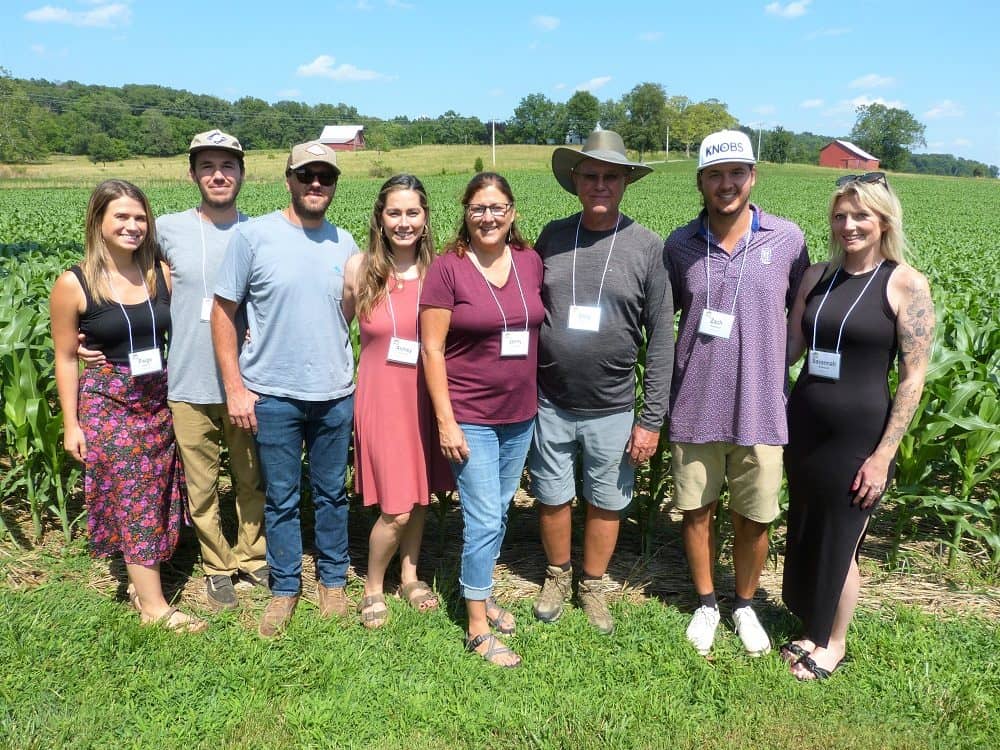
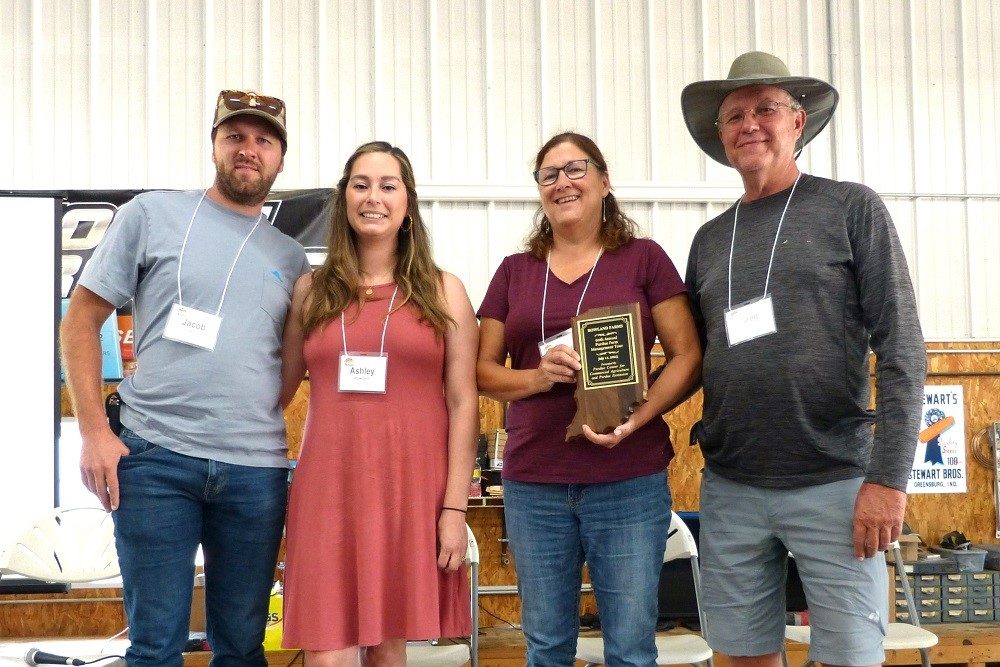
His son, Jacob Rowland, owns and operates an automated cage-free poultry operation on the family farm. Greg Rowland receives chicken litter from that operation and uses it as another source of nutrients for his fields.
The result is a system designed to make better use of resources already available on the farm while reducing reliance on purchased inputs.
For Rowland, that’s the larger goal: build a farming system that can withstand the inevitable swings in weather and markets while keeping production costs under control.
And this year, those management decisions are being put to the test.
The popcorn harvest has arrived in September—something Rowland has never experienced before.
The freeze forced hundreds of acres to be replanted. Excessive summer moisture trimmed soybean yield potential. Yet the crops remain respectable, disease pressure stayed manageable, and the soil-building practices that have become part of Rowland’s operation continue to provide another layer of resilience.
For an Indiana farmer entering harvest in an anything-but-normal year, getting the crop in the bin is only the first measure of success. How efficiently and sustainably that crop was produced may matter just as much.
CLICK BELOW for Hoosier Ag Today’s radio news report: