


Indiana Farm Bureau is putting more resources behind women building agricultural businesses across the state—and this year, twice as many entrepreneurs will get a boost.
The organization has awarded 10 grants to women-owned agriculture-related small businesses, doubling the number of recipients originally planned after an overwhelming pool of qualified applicants demonstrated the depth and diversity of women-led agricultural enterprises in Indiana.
Each recipient will receive $1,000 to help strengthen and grow her business. The funds can be used for training and professional development, technology upgrades or equipment purchases—investments that can make a meaningful difference for small businesses working to expand their markets and improve their operations.
The 2026 Women-Owned Small Business Grant recipients were recognized Sept. 9 during Indiana Farm Bureau’s Harvest Dinner at the Hamilton County Fairgrounds Bicentennial Pavilion in Noblesville. The event celebrated the contributions and leadership of women working throughout Indiana agriculture.
For the 10 recipients, the grants will translate into very different investments—but each is aimed at helping turn an agricultural idea or enterprise into a stronger, more sustainable business.
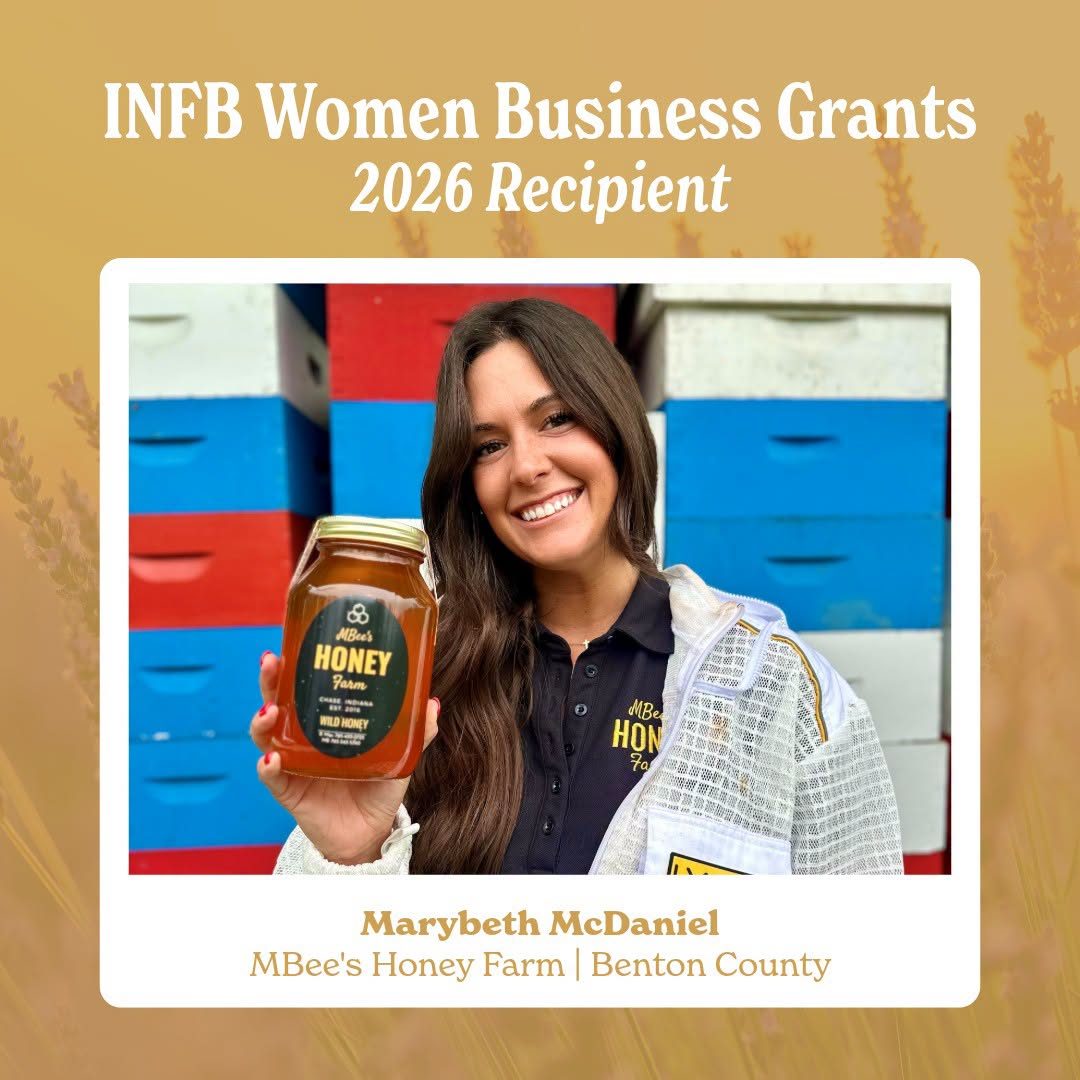
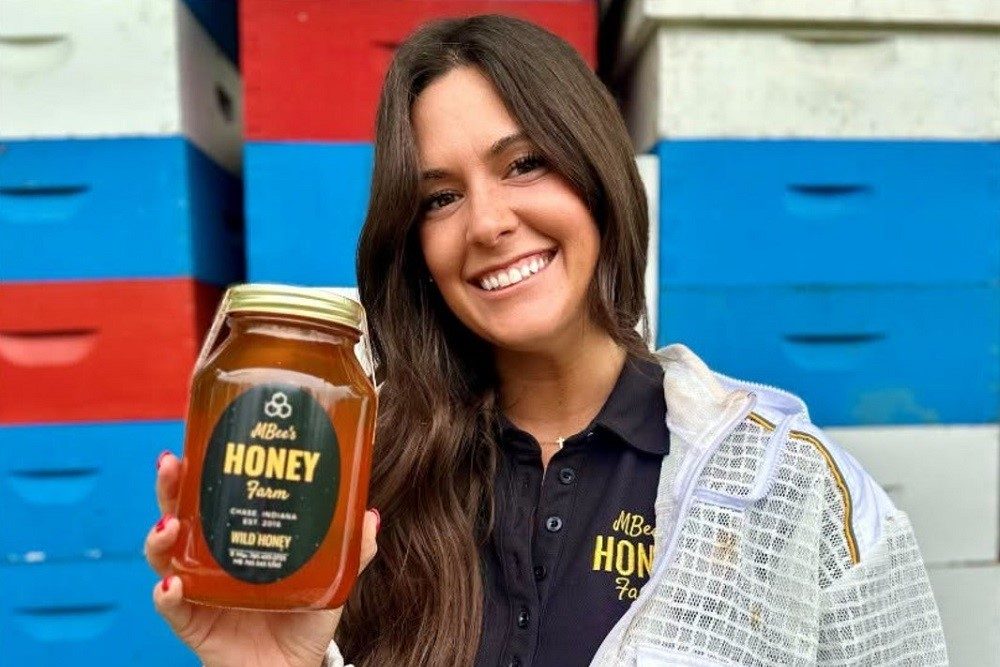
For Marybeth McDaniel of MBee’s Honey Farm in Benton County, the grant will support another fundamental need in beekeeping: growth. She plans to add more hives while also supporting beekeeping education.
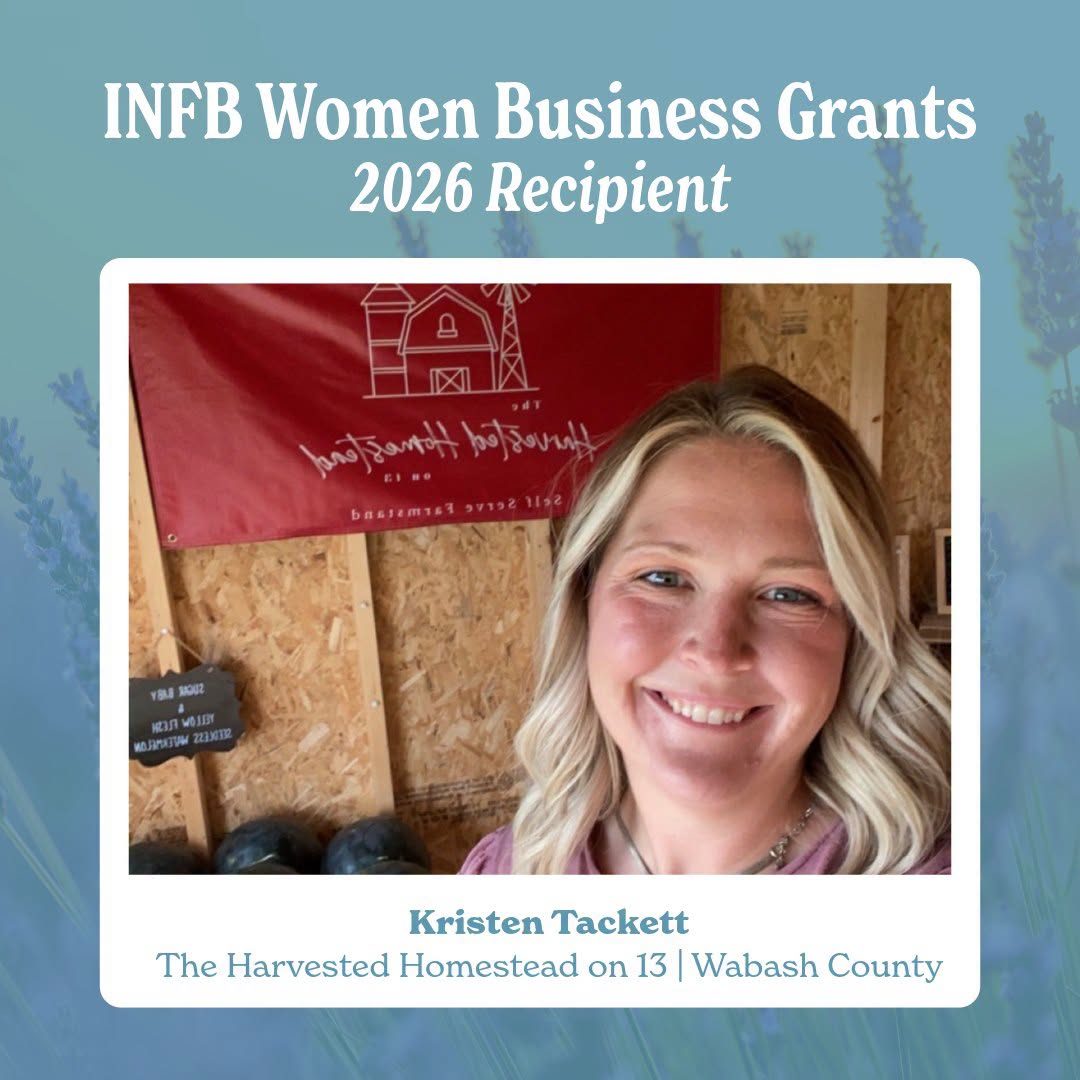
In Wabash County, Kristen Tackett of The Harvested Homestead on 13 operates a self-serve farmstand and plans to purchase equipment to better display the farm’s pork products.
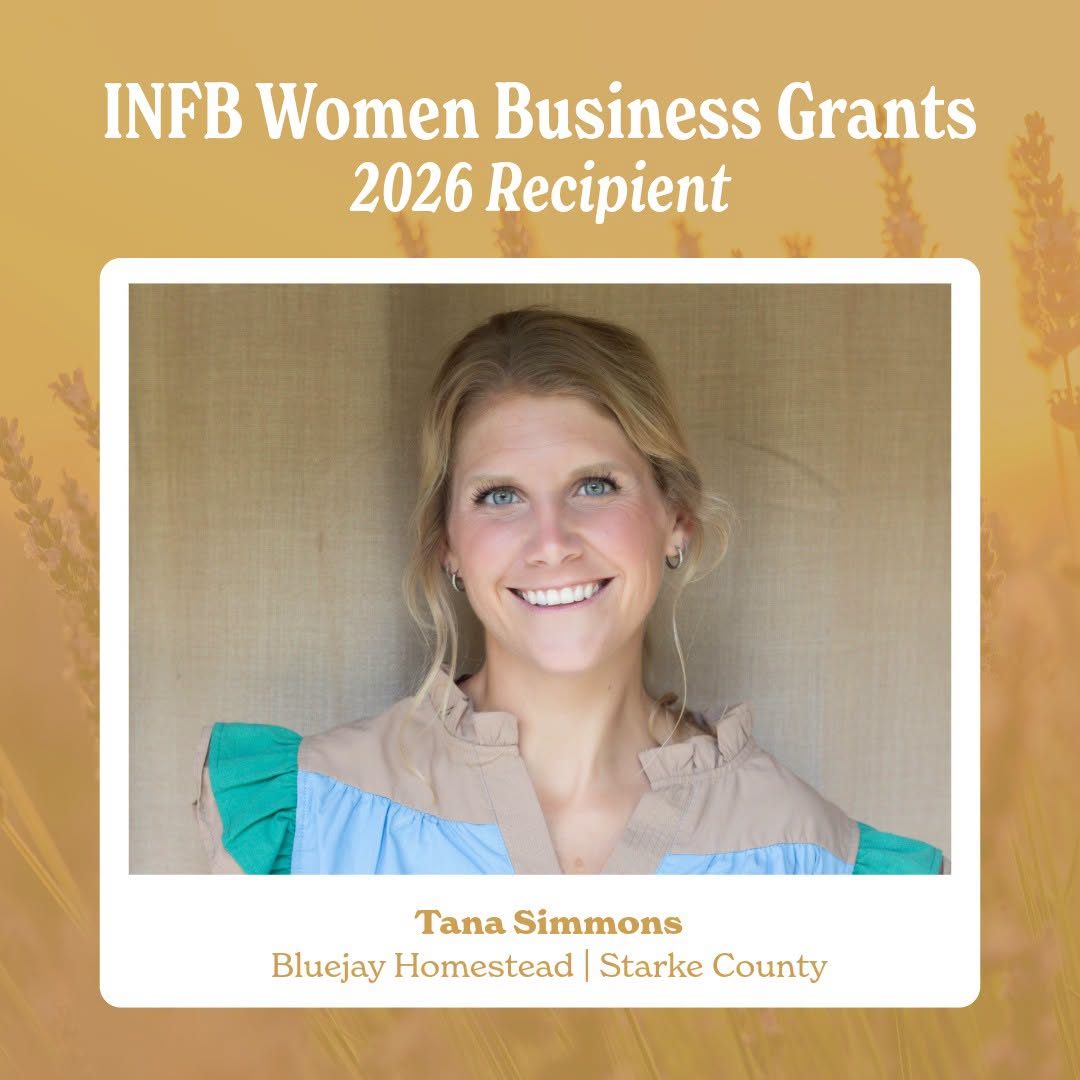
Tana Long of Starke County, owner of Bluejay Homestead, operates a fresh-milled flour bakery and produces value-added farm products. She plans to use the grant to increase production capacity and expand her product line.
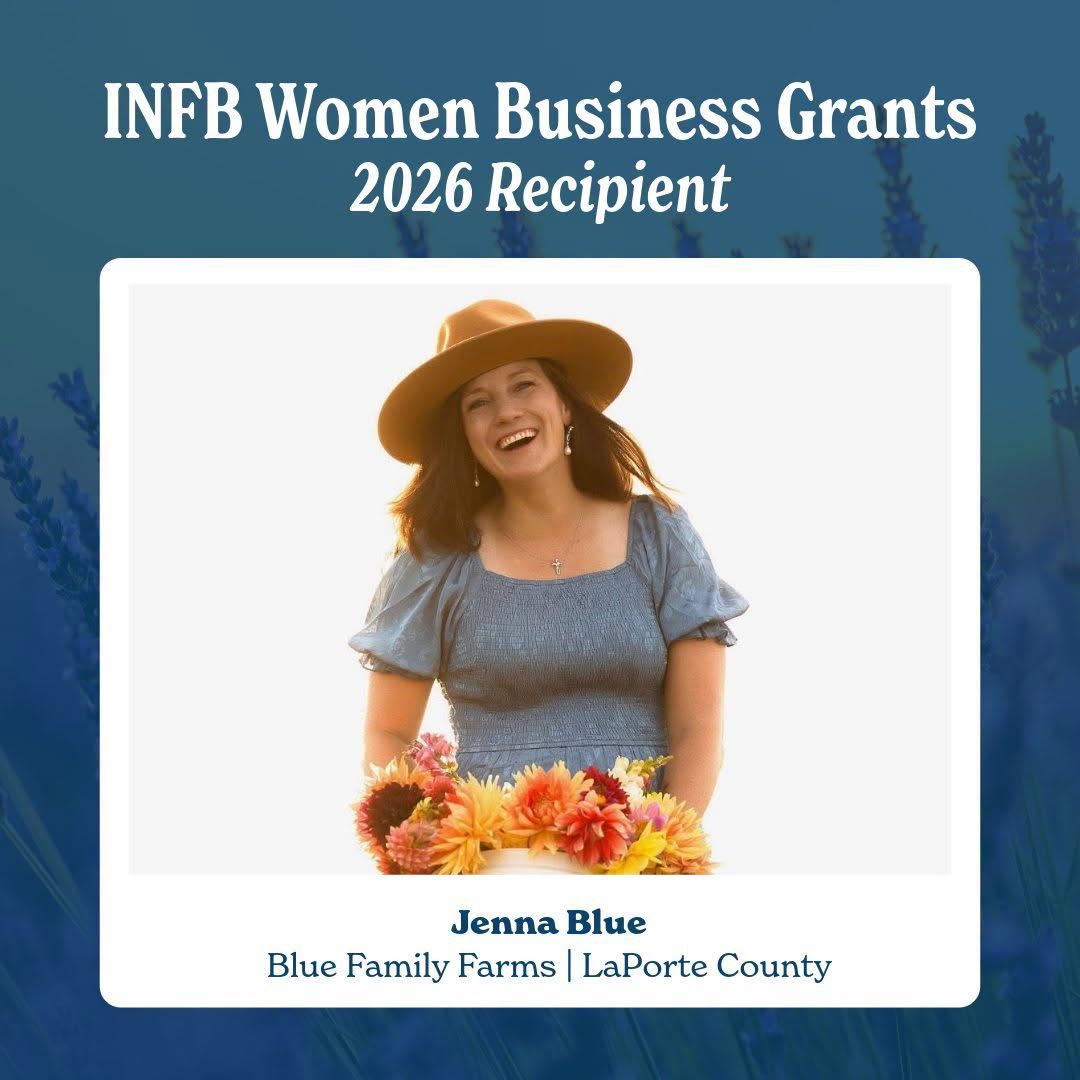
In LaPorte County, Jenna Blue of Blue Family Farms produces premium cut flowers and dahlia tubers. Her plans include purchasing equipment to extend the growing season and expanding educational programming.
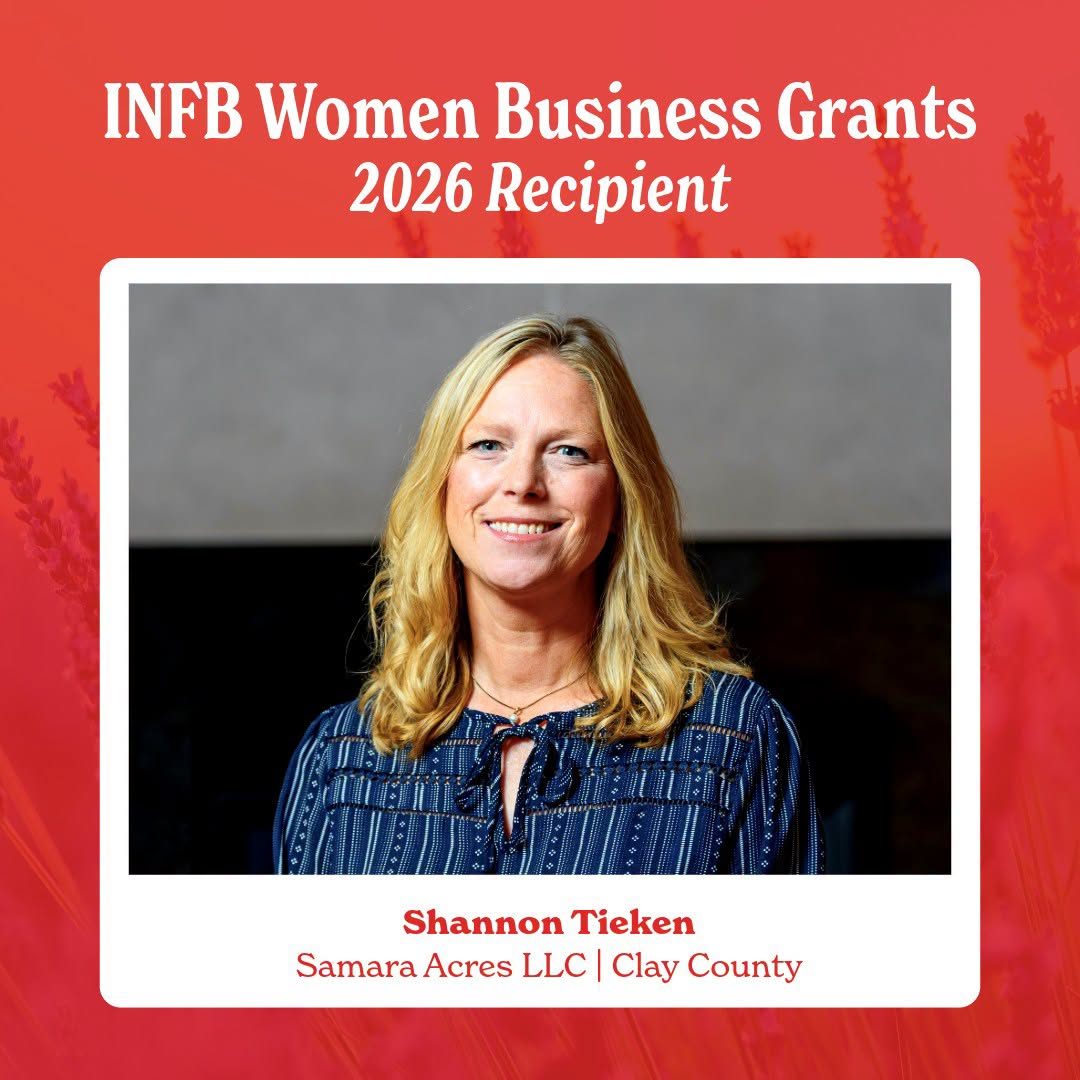
Shannon Tieken of Samara Acres LLC in Clay County produces local honey, beeswax candles and artisan products. Her goal is to update equipment so the business can meet the standards necessary for wholesale food processor licensing—potentially opening the door to additional markets.
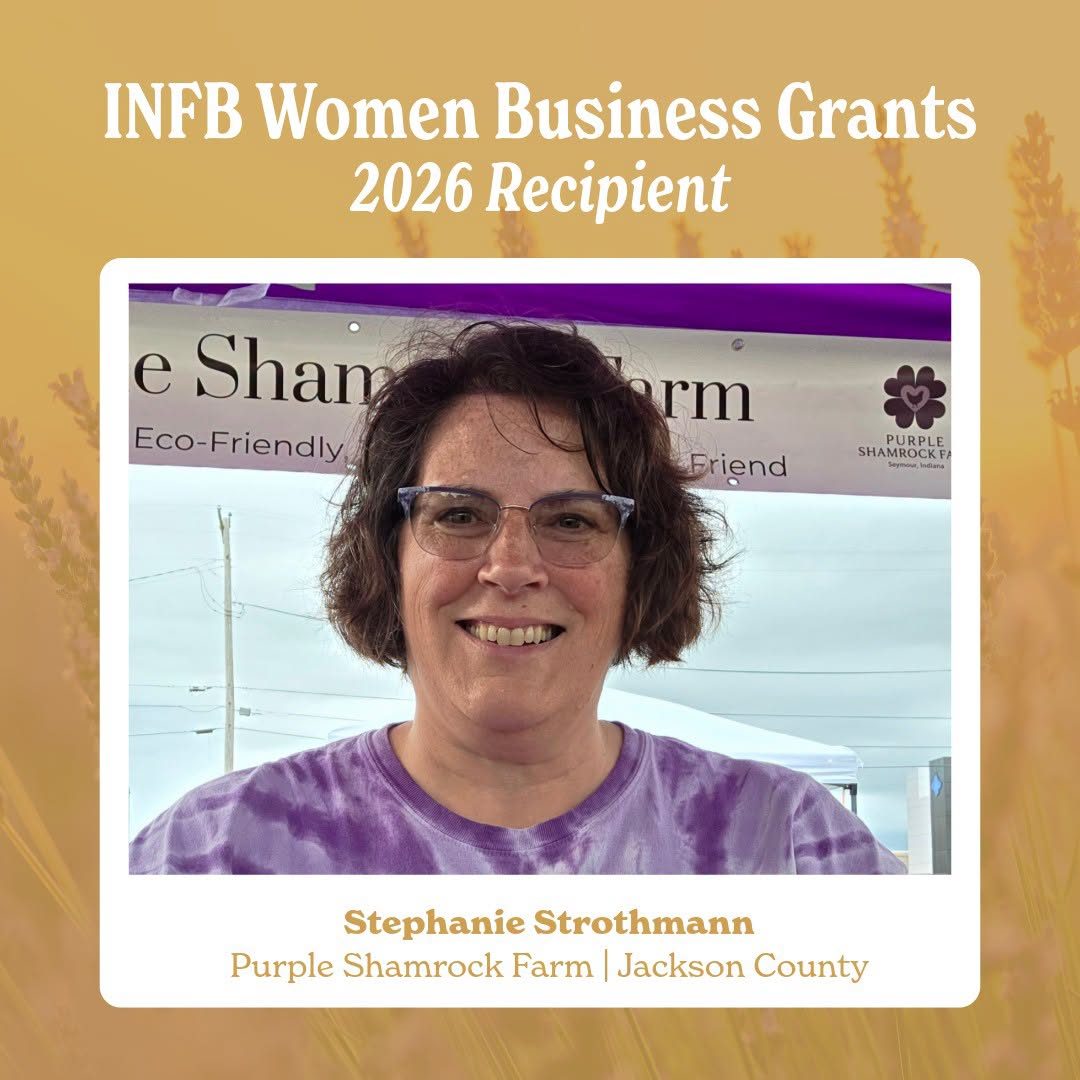
In Jackson County, Stephanie Strothmann of Purple Shamrock Farm plans to put her grant toward marketing and expanding distribution of the farm’s upcycled dog treats throughout Indiana.
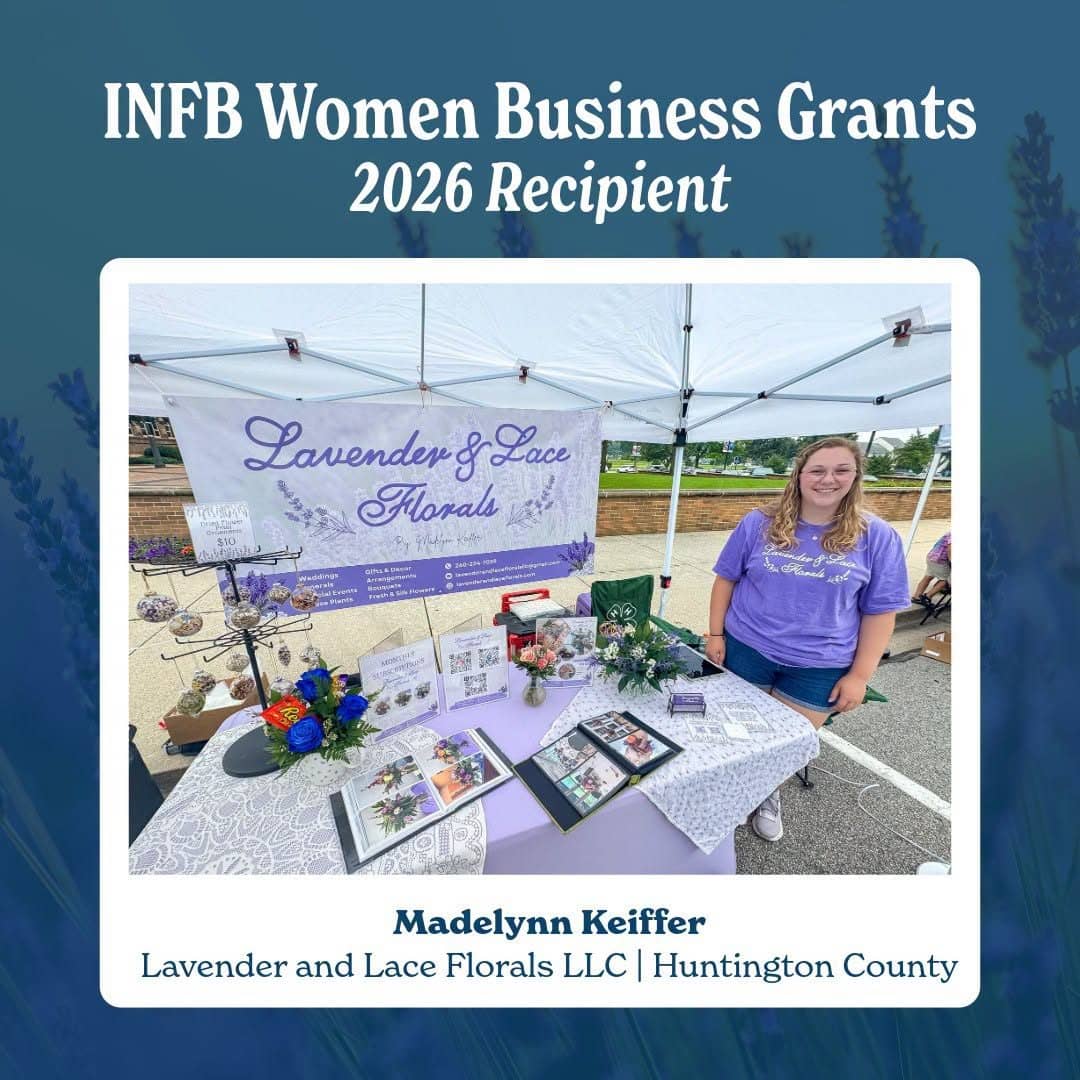
Madelynn Keiffer of Lavender and Lace Florals LLC in Huntington County operates a full-service florist and plans to use the funding for equipment upgrades and increased marketing.
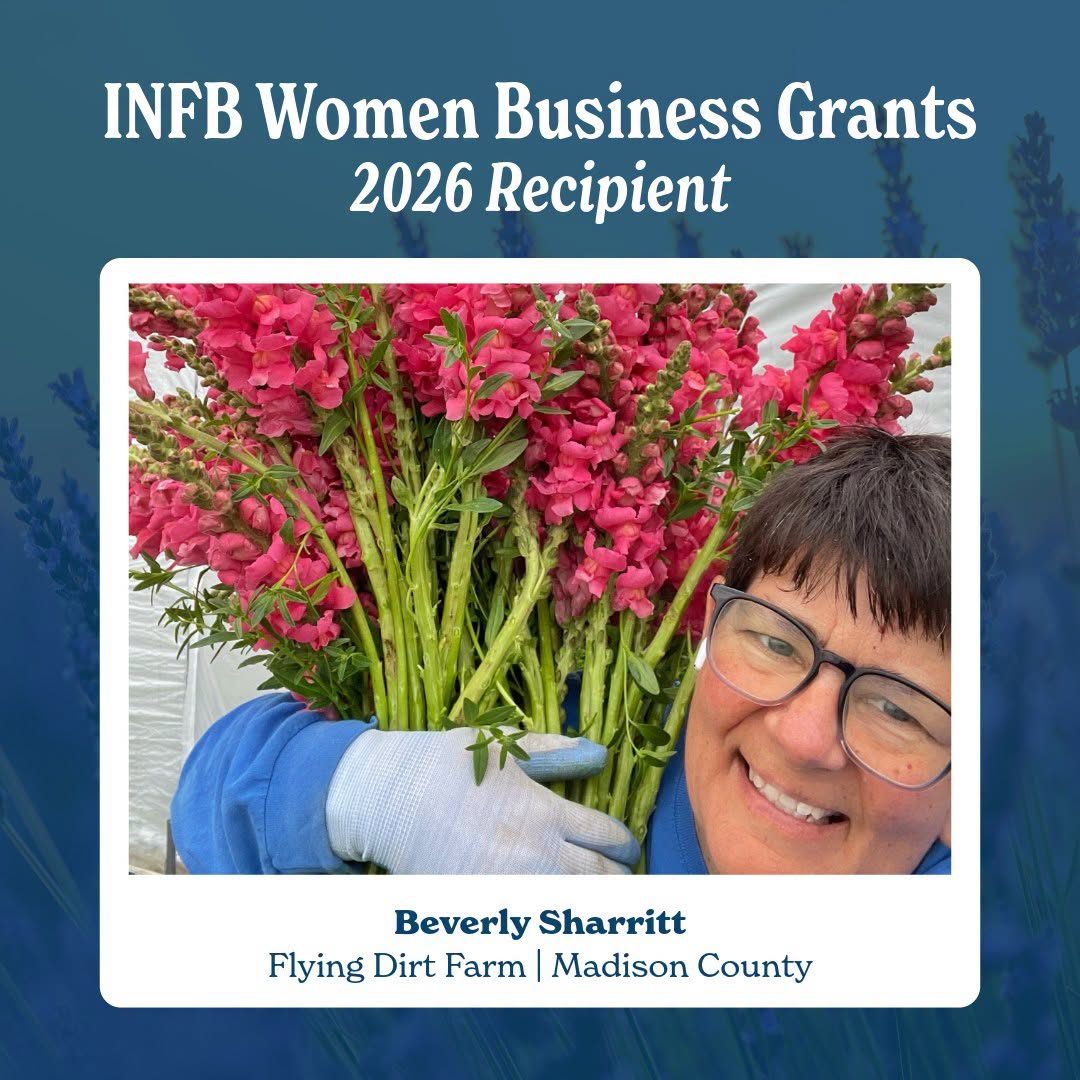
Beverly Sharritt of Flying Dirt Farm in Madison County also operates a specialty cut-flower farm. She plans to use the grant for professional development and educational opportunities designed to refine the farm’s business operations.
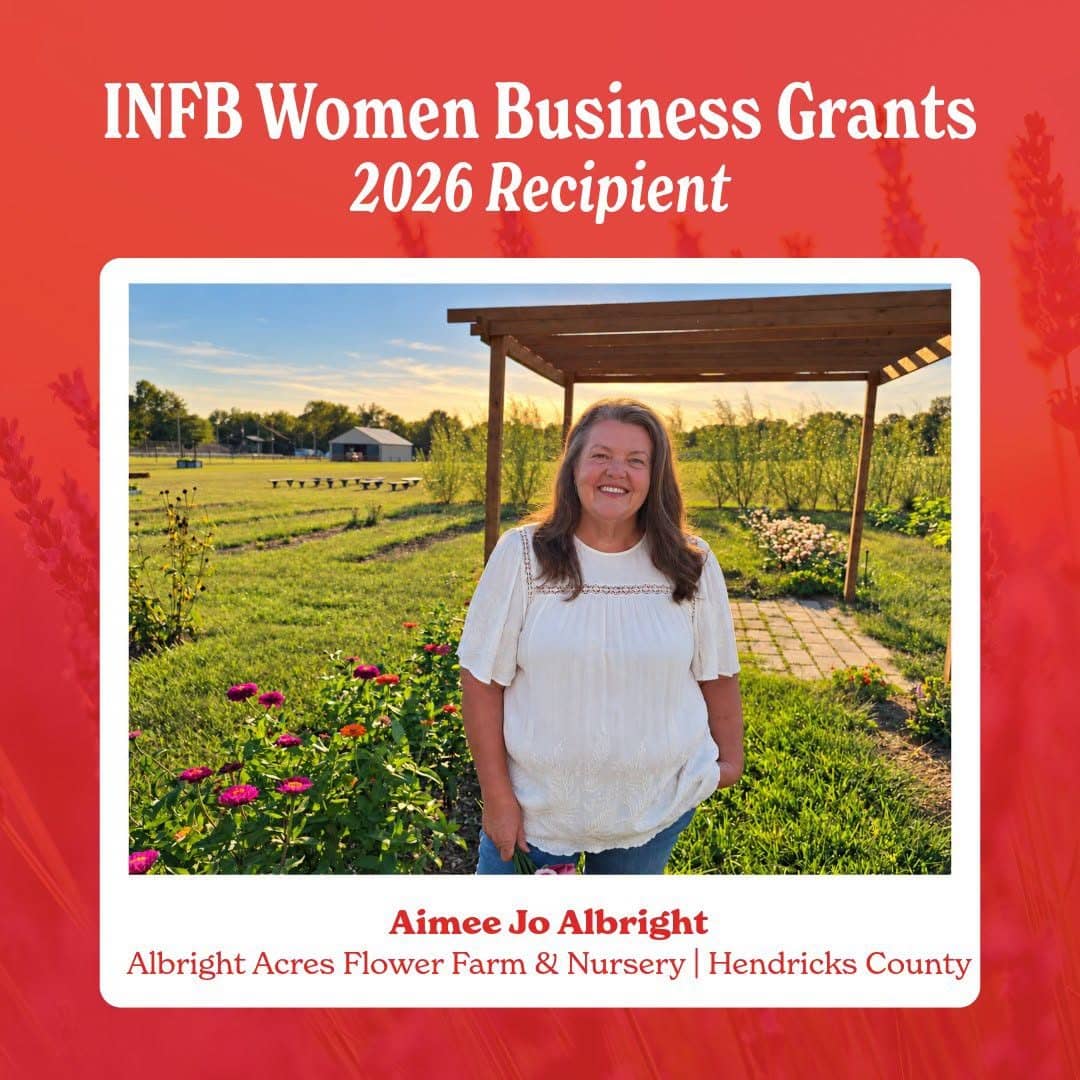
In Hendricks County, Aimee Jo Albright of Albright Acres Flower Farm and Nursery plans to equip a permanent farm store with supplies that will provide consistent retail space and improve the customer experience.
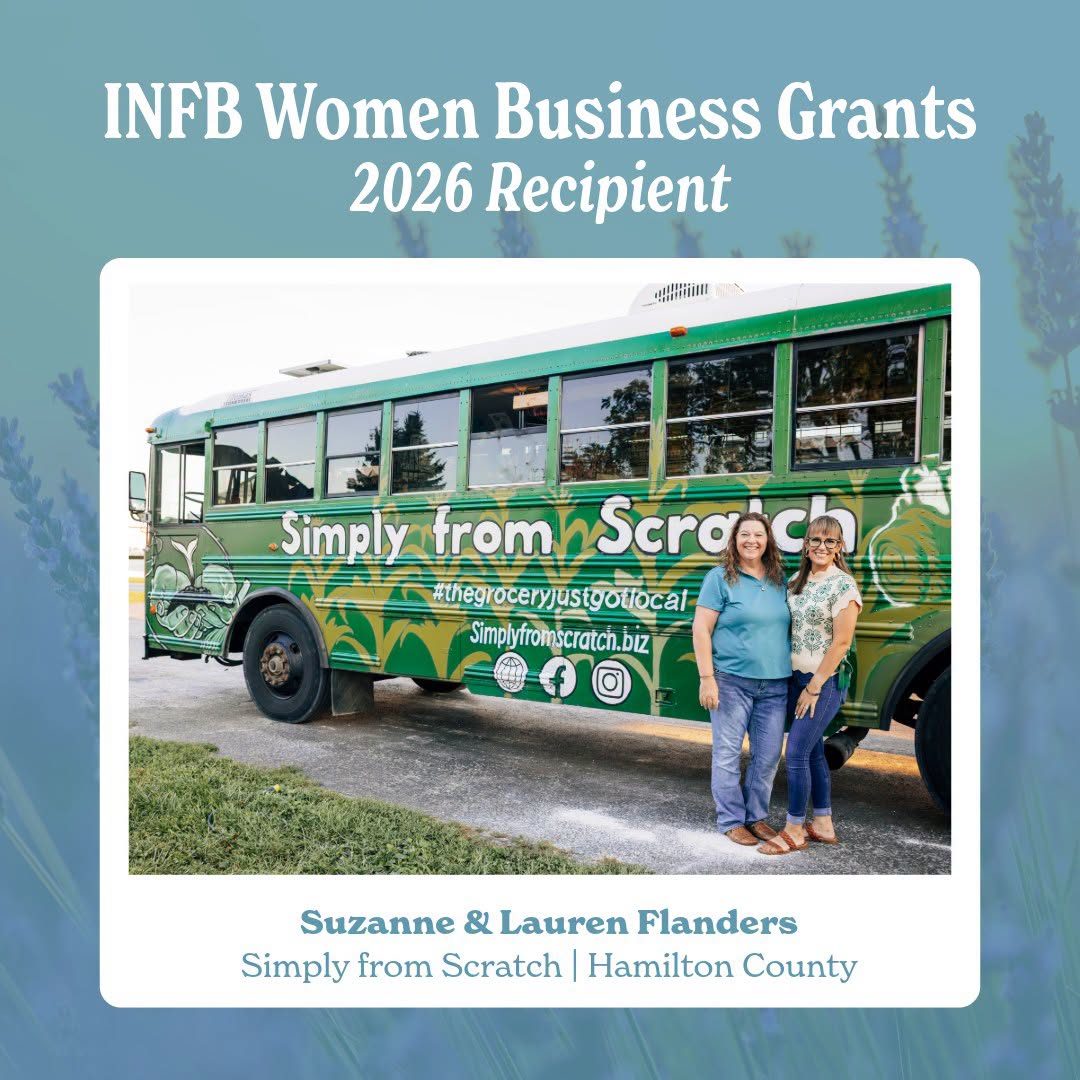
Suzanne and Lauren Flanders of Simply from Scratch operate a Hamilton County farm-to-table mobile grocery. They plan to update equipment to improve product quality and increase storage capacity.
The wide range of businesses receiving funding—from honey and flowers to baked goods, livestock products, mobile grocery sales and value-added foods—underscores the increasingly diverse ways Indiana farms and rural businesses are creating new revenue streams.
But the most notable development may be the number of women receiving support.
Indiana Farm Bureau initially planned to award just five grants in 2026. Instead, the organization doubled that number after receiving an overwhelming number of qualified applications.
That decision sends a clear signal about the demand for resources among women entrepreneurs in Indiana agriculture—and the number of small agricultural businesses looking for ways to take their next step.
For a small farm or agricultural business, $1,000 may not transform an operation overnight. But an equipment upgrade, a new marketing push, additional hives, professional training or the ability to meet licensing requirements can provide the incremental investment needed to move a business forward.
And for these 10 Indiana women, that next step is now a little closer.
CLICK HERE for more information.