
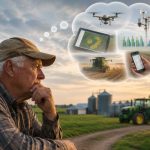
For farmers and rural communities, reliable internet access is becoming just as important as electricity, roads and other basic infrastructure. But across rural communities, the digital divide remains a challenge.
Farmers are increasingly relying on technology for everything from precision agriculture and equipment diagnostics to online markets, weather information and recordkeeping. And even though there are national initiatives to bring high-speed internet to rural areas, some producers can be left behind.
According to Digital Transformation Team leader, Cheyanne Geidman, “The biggest challenge I see is people’s mindset, and this comes in at several different levels. There’s so many people who are afraid of technology. Fear is a big part of the thing that we have to overcome in the digital divide. The problem is legitimate. There is a lot to be afraid of, but there is also a lot of misinformation. And so I want to make sure people have the tools to make informed decisions and be able to protect themselves.”
That’s why community organizations are working to address the rural digital divide…helping communities improve access to technology while providing education and training.
Geidman says, “AARP’s O.A.T.S. (Older Adults Technology Services) has this great program called Senior Planet. What it does is it makes sure that people have technology to leverage for all parts of their lives, whether it’s social, whether it’s workforce and skill development or telehealth or further education. There’s so many different things we could be using technology for, and it really hits that wide range.”
The goal is to make sure farmers and rural residents can take full advantage of the technology that is rapidly changing the way agriculture operates. Because in modern agriculture, being connected isn’t just a luxury anymore…it’s increasingly part of doing business.
For more on bridging the digital divide, watch the latest episode of the YOUR COMMUNITY Podcast.