

Two Indiana farming operations are putting conservation into practice — and earning thousands of dollars for their commitment to protecting the land.
The Indiana State Department of Agriculture (ISDA) and Weaver Popcorn Manufacturing have awarded a combined $30,000 to two Hoosier farms recognized for their efforts to improve soil health, protect water quality and promote long-term agricultural sustainability.
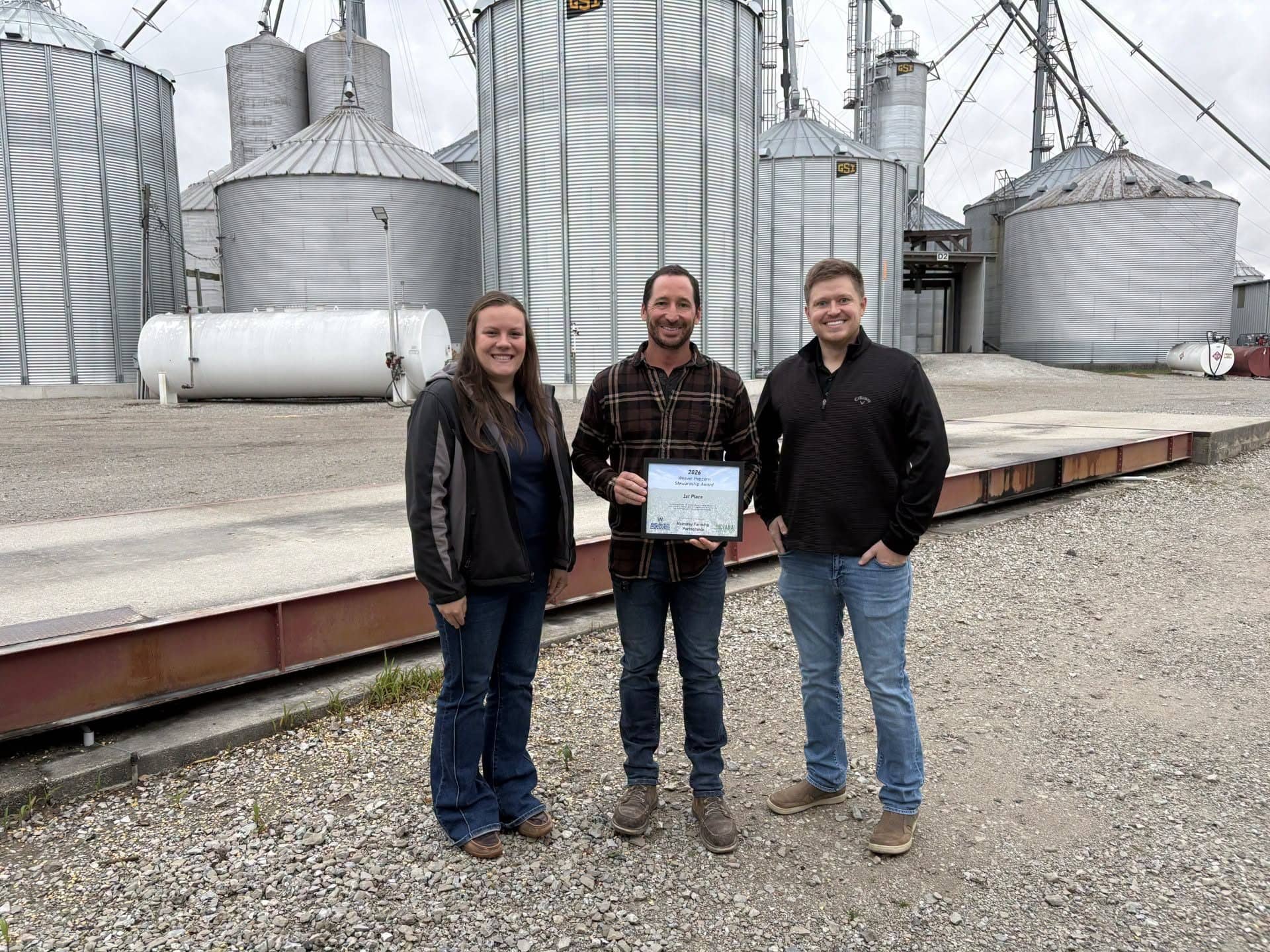
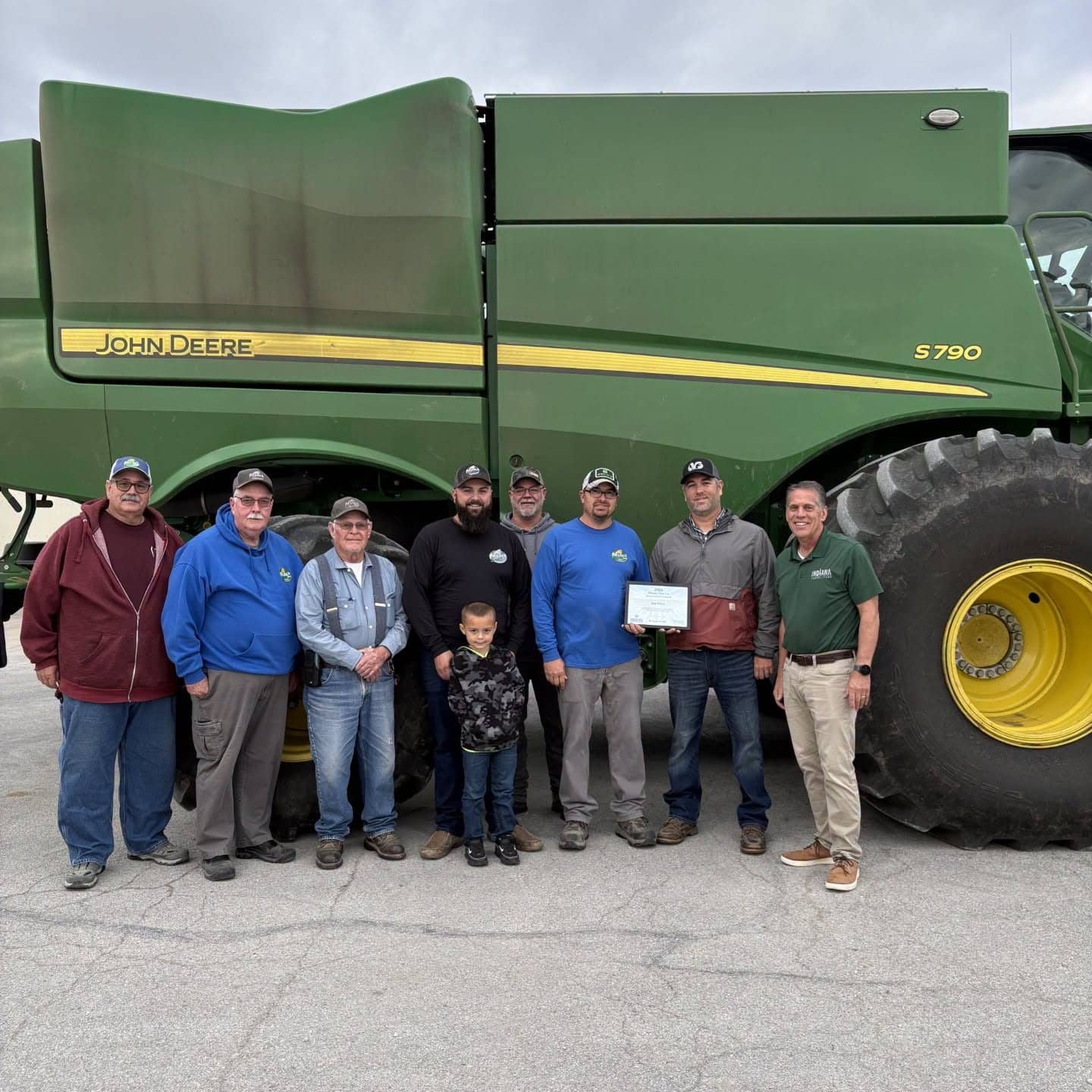
Mainstay Farming Partnership of Kewanna received the top prize of $20,000, while Breisch Farms LLC of Greentown earned $10,000 as the second-place recipient of the 2026 Weaver Popcorn Manufacturing Stewardship Award.
Now in its second year, the program recognizes Weaver popcorn growers who implement conservation practices to protect the natural resources their farms depend on for long-term productivity.
The awards also provide financial incentives for farmers to adopt conservation practices that can improve soil quality, reduce erosion and help protect water resources.
“Through the adoption of sustainable farming practices, many of our growers have been able to produce popcorn on the same ground for multiple generations,” said Jeff Sheedy, manager of agriculture for Weaver Popcorn Manufacturing. “Our growers take great pride in producing the highest-quality popcorn while maintaining a strong commitment to the long-term health and productivity of the land they farm.”
Sheedy said the company is grateful for the continued dedication of its growers and congratulated both winning operations on their recognition.
Conservation Starts in the Field
For Mainstay Farming Partnership, conservation is about more than protecting natural resources. It is also a strategy for improving farm economics, strengthening soil health and building a more resilient operation.
The Pulaski County farm produces popcorn alongside non-GMO corn, soybeans, soft red winter wheat, organic popcorn, organic wheat and organic cereal rye.
Its conservation toolbox includes reduced tillage and no-till practices across the operation, grassed waterways, cover crops, water and sediment control basins, and vegetative field borders.
These practices can help keep soil in place, improve soil structure and limit the movement of sediment and nutrients from fields into nearby waterways.
For Jess Daily of Mainstay Farming Partnership, the motivation is rooted in the farm’s long-term financial and environmental health.
“It is driven by economics,” Daily said. “We are trying to find ways to be more self-reliant and build soil health, soil quality, crop and human health.”
That focus on self-reliance highlights a growing consideration for farmers facing pressure to manage input costs while maintaining productivity. Conservation practices can offer opportunities to improve how farms manage soil and water, although results depend on individual field conditions, management decisions and implementation costs.
The award provides Mainstay Farming Partnership with financial recognition for the conservation work already underway on its operation.
Breisch Farms Puts Sustainability to Work
Breisch Farms, located in Howard County, earned second place for its conservation efforts while producing popcorn, non-GMO food-grade corn, non-GMO food-grade soybeans and soybeans for seed production.
The farm uses reduced tillage, cover crops, grassed waterways and grass filter strips to support conservation goals.
Cover crops can help protect soil between cash-crop growing seasons, while grassed waterways and filter strips can slow runoff and help capture sediment before it leaves agricultural fields.
Kevin Breisch said recognizing farmers for these efforts helps reinforce the importance of conservation throughout the agricultural industry.
“It is important to recognize the conservation efforts,” Breisch said. “The more sustainable we can be, the better off everyone’s food supply will be.”
His comments underscore the connection between farm-level management decisions and the long-term productivity of the land used to grow the nation’s food.
Public-Private Partnership Rewards Farmers
The Weaver Popcorn Manufacturing Stewardship Award brings together private industry and state agriculture officials to encourage conservation among Indiana growers.
To qualify, Weaver producers submitted applications detailing the conservation and nutrient stewardship practices used on their farms.
Participation reached 70% of Weaver growers this year, demonstrating broad engagement with the program.
After applications closed, ISDA selected five finalists based on their conservation practices. Agency representatives then visited each operation to learn more about its stewardship efforts and individual farm story before selecting the two award recipients.
Three additional operations were considered: Smith Farms of Peru, Roush Farms of Van Buren, and Allmandinger Farms of Ohio City, Ohio.
The program comes as Indiana farmers continue to make substantial investments in conservation practices. Hoosier producers planted more than 1.6 million acres of cover crops in 2025, reflecting the widespread use of practices intended to protect soil and improve agricultural sustainability.
For farmers, however, implementing conservation practices can involve additional equipment, labor and management expenses. Financial incentives such as the Weaver award can help recognize those investments and encourage continued adoption.
The partnership also illustrates how agricultural businesses can support conservation efforts among the producers who supply their raw agricultural products.
By connecting financial recognition with on-farm stewardship, the program aims to reinforce a message that resonates across Indiana agriculture: protecting the resources that sustain production today is essential to maintaining productive farms for future generations.
For Mainstay Farming Partnership and Breisch Farms, the recognition offers more than prize money. It highlights the role Hoosier farmers play in protecting the land and water resources that underpin the state’s agricultural economy.
Learn more about Indiana’s soil conservation efforts through the Indiana State Department of Agriculture.