

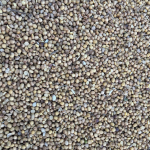
As Indiana farmers wrap up soybean harvest, some growers have expressed surprise and concern by the color of their soybeans.
“We’ve got discoloration of the soybeans,” said Dr. Shaun Casteel, Purdue Extension soybean specialist, on the latest edition of the Purdue Crop Chat podcast from Hoosier Ag Today. “We’ve got a lot of beans that have come in this year with kind of a brownish color instead of the true yellow color that most of us think about a seed coat of soybeans. Whether that’s the whole seed or you’ve got the hilum—so that’s the point where it attaches to the pod—and then there’s this band, almost like a waistband going around it or a hula hoop. So, we’ve got these that are kind of this browning discoloration, and it is off-putting.”
While visually different, Casteel emphasizes that the issue is strictly aesthetic and has no impact on nutritional composition or industrial processing.
“When I talk about quality, I’m talking about protein, I’m talking about oil,” Casteel explained. “We’ve got all this protein, all this energy packed into it. This discoloration doesn’t affect that.”
According to Casteel, the trait has appeared more regularly in recent growing seasons due to interactions between specific genetics, herbicide traits, and environmental conditions during seed fill. Crucially for producers concerned about discounts at the scale, seed discoloration was eliminated from federal top-grade grading penalties several years ago, meaning local elevators handling livestock feed or crushing shouldn’t dock loads.
“Myself and a few other soybean agronomists, we wrote an article on this to say, ‘Here’s how things have changed,’” Casteel noted, referencing resources published through Science for Success. “Those same points: protein and oil, there’s no effect on that, especially when we think about livestock, if it’s any other industrial use. If you have a market that’s more human consumption, that might be one play, but the vast majority of what we deal with, that’s not an issue.”
Producers can watch or listen to the full agronomic discussion on the Purdue Crop Chat podcast, available below.