


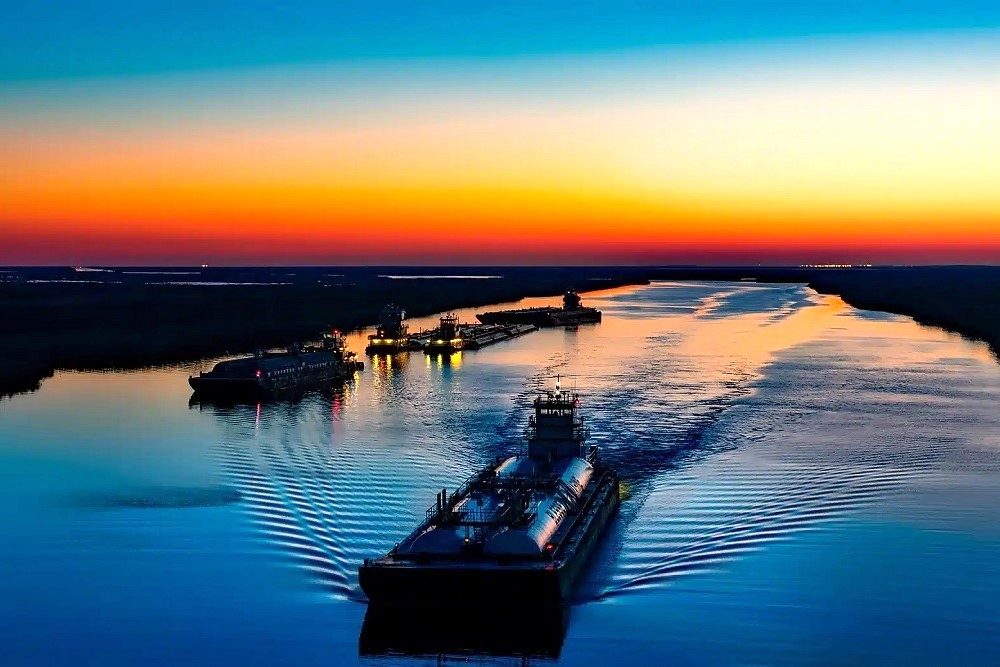
With fertilizer prices surging, President Trump temporarily waived the Jones Act this week to fast-track critical supplies to America’s farmers just as planting season begins. One ag leader says the move could bring some relief to farmers—but he adds that greater challenges for fertilizer supplies still exist.
“Well, obviously, this is all tied to the issue in Iran in the Strait of Hormuz, and I think the President and the administration are doing anything they can to provide some emergency relief to ensure we have supply,” says Corey Rosenbusch, President and CEO of The Fertilizer Institute (TFI).
He tells Hoosier Ag Today that the conflict between and U.S. Iran has made a challenging situation for fertilizer supplies far worse.
“I heard [Wednesday] that we have 24 different vessels loaded with fertilizers floating in the Gulf right now that cannot get out to the farmer-customers,” he says.
Rosenbusch says not having enough urea to go around could be detrimental to America’s corn producers.
“I think the concern is, how are we even going to get those last one-million tons into the U.S. that we need to plant a crop,” he says. “We are a ‘just in time’ supply chain, and we need that last 20 percent to come in in the month of April and May for spring planting, and most of that—as a matter of fact, all of that—will come from overseas.”
He adds that it certainly doesn’t help that Iran is the world’s third-largest producer of urea.
“People don’t realize that Iran’s a big producer themselves, and that you have natural gas being that key feedstock—that’s where all fertilizers, with the exception of potash start, is with natural gas,” he says. “So, not only are they producer, but you also have huge ammonia producers that are behind that Strait of Hormuz—you’ve got Qatar, you’ve got Bahrain, and you’ve got the Saudi production that’s all trapped.”
As planting season approaches, the race is on to secure the fertilizer needed to put a crop in the ground—temporary relief from the Jones Act waiver may help move supplies faster, but with global tensions tightening the flow from key overseas producers, uncertainty still looms large.
For America’s farmers, the weeks ahead will be critical, as the balance between supply disruptions and timely deliveries could ultimately shape not just this year’s harvest, but the stability of the food supply chain that depends on it.
CLICK BELOW for Hoosier Ag Today’s radio news report: