

As Midwest farmers prepare for another growing season, a familiar question is resurfacing across the Corn Belt: when is the right time to terminate cover crops? The answer, agronomists say, is increasingly shaped by a balancing act between maximizing weed control and protecting crop yields.
Cover crops—including widely used species such as cereal rye—have become a cornerstone of more resilient farming systems. They help reduce soil erosion, improve water retention and suppress weeds, offering both environmental and economic benefits. But their effectiveness hinges in part on when they are brought to an end.
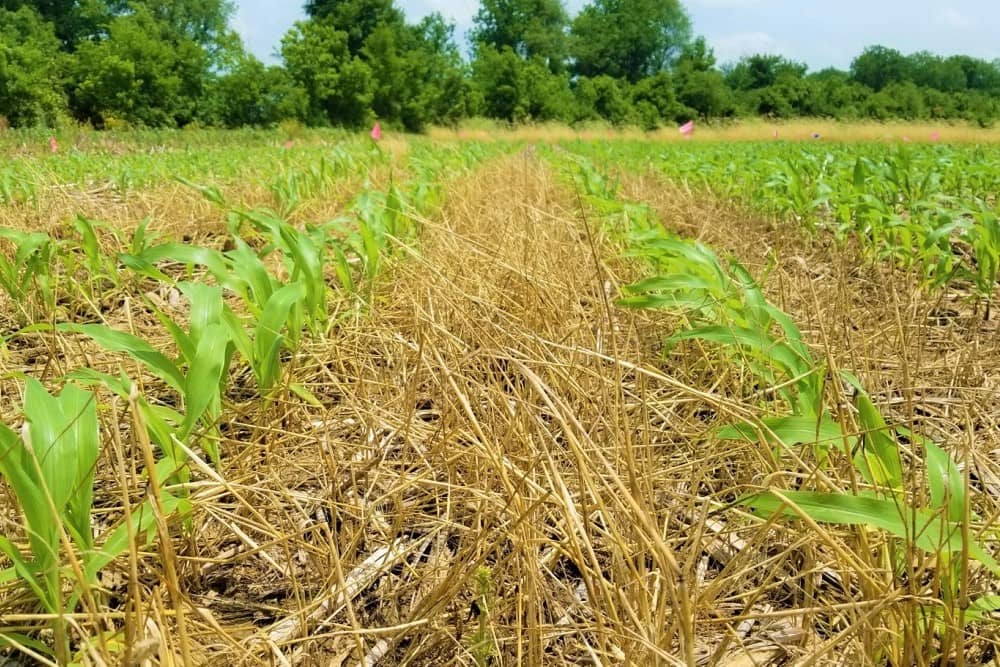
Recent research suggests that allowing cover crops to grow longer can significantly improve weed suppression. Studies indicate that roughly 4,500 pounds of biomass per acre—often achieved when cereal rye reaches about 30 inches in height—can cut populations of troublesome weeds like waterhemp by half or more. That finding, drawn from collaborative work led by university researchers across the Midwest—including those at Purdue University—has encouraged some farmers to delay termination to build more biomass.
Yet that strategy comes with trade-offs, particularly for corn producers. Cereal rye, while beneficial for weed control, competes aggressively for nitrogen—a critical nutrient for corn development. Agronomists generally recommend terminating rye about two weeks before planting corn to avoid stunting growth or reducing yields. Some experts suggest alternative cover crops, such as oats or radishes, for fields destined for corn, paired with starter fertilizers to offset nutrient competition.
Soybean growers, by contrast, have more flexibility. A growing number are adopting “planting green,” a practice in which soybeans are planted directly into living cover crops. Research conducted across multiple soybean-producing states has found that delaying termination until the crop reaches its cotyledon stage—early seedling development—can improve waterhemp control without sacrificing yield.
Still, there are limits. Experts caution that cover crops should be terminated before they enter reproductive stages, such as flowering in cereal rye, to ensure effective control and prevent complications during planting. Excessive biomass, while helpful for weed suppression, can interfere with seed placement and soil contact.
Farmers also face decisions about how to terminate cover crops. Herbicides remain the most common method, though tillage, mowing and roller-crimping are also used. Glyphosate continues to be a widely relied-upon option, often combined with other products to improve effectiveness or manage herbicide-resistant weeds. In some cases, adding a residual herbicide can extend weed control into the growing season.
But herbicide selection is not straightforward. Timing matters: once a cash crop has emerged, farmers are limited to products that won’t harm it. Weather conditions can also influence effectiveness, and certain chemical combinations may reduce performance under cool, wet conditions.
Agronomists emphasize that termination decisions should be tailored to each field, taking into account the cover crop species, its growth stage, the intended cash crop and the types of weeds present.
As cover crop adoption continues to expand across the Midwest, those decisions are becoming more consequential—and more complex. For many farmers, the goal remains clear: harness the benefits of cover crops without compromising the productivity of the crops that follow.
Source: Purdue University—Maria Carolina Souza, Emmanuel Cooper, Estevan Cason, and Tommy Butts