


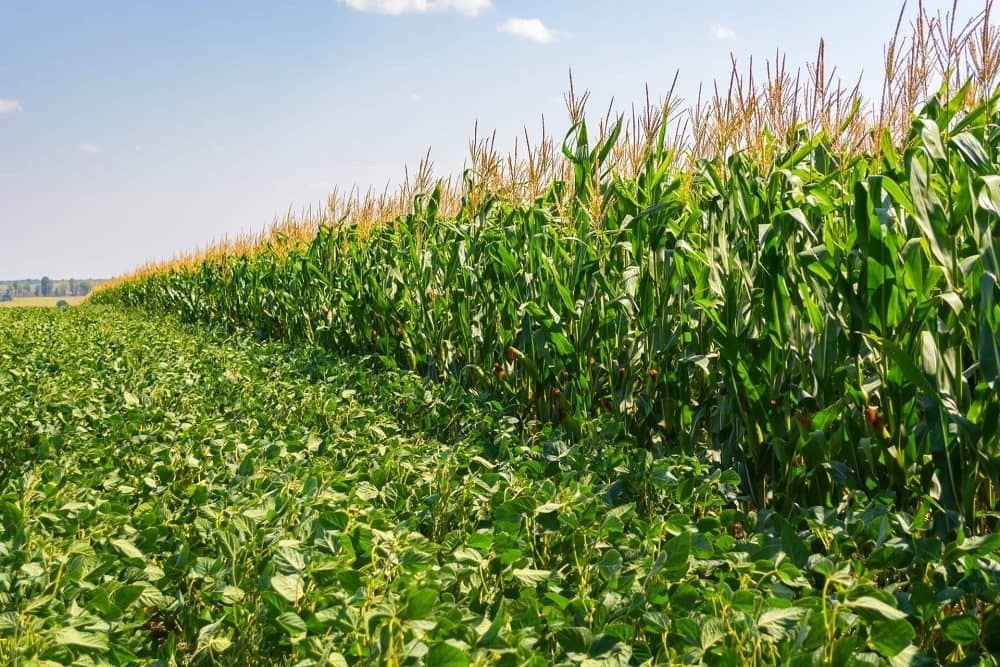
The U.S. Department of Agriculture on Tuesday offered its first detailed glimpse of the 2026–27 crop year, projecting abundant supplies of corn and soybeans even as drought in key growing regions tightens the outlook for wheat — a divergence that is already rippling through commodity markets and shaping farmers’ decisions as planting season advances.
In its closely watched monthly World Agricultural Supply and Demand Estimates (WASDE) report, the USDA forecast U.S. corn production at roughly 16 billion bushels and soybean output near 4.44 billion bushels, both underpinned by expectations of trendline yields and, in the case of soybeans, expanded acreage. If realized, those figures would reinforce a global grain system still flush with feed grains and oilseeds, easing concerns about shortages but adding pressure to prices that many farmers say are already thin.
The wheat outlook, however, points in the opposite direction. The USDA trimmed projected U.S. wheat production to about 1.56 billion bushels, citing persistent drought across parts of the western Plains and sharply reduced winter wheat output. The report estimated all-wheat yields at 47.5 bushels per acre, down significantly from last year’s record, with total supplies falling despite larger beginning stocks.
Markets reacted swiftly. Wheat futures rose following the report, reflecting tightening supplies and heightened weather risk, while the broader grain complex absorbed a more mixed set of signals tied to ample corn and soybean inventories.
For corn, the USDA projected a crop slightly smaller than last year but still historically large, with planted area expected to decline to about 95.3 million acres and yields pegged at 183 bushels per acre under normal growing conditions. Even with lower production, total demand is forecast to remain robust, supported by steady domestic use and exports that, while projected to decline modestly, keep the United States the world’s dominant supplier.
Ending stocks for the 2026–27 corn crop are expected to fall from a year earlier but remain relatively comfortable, a balance that analysts say could keep prices contained. The USDA projected an average farm price near $4.40 per bushel, reflecting the tension between ample supplies and resilient demand.
Soybeans present a more nuanced picture. Production is forecast to rise on increased harvested acreage and steady yields, while demand is expected to strengthen across multiple fronts. Domestic soybean crush — a key indicator of processing demand — is projected to climb to 2.75 billion bushels, driven in part by growing use of soybean oil as a biofuel feedstock under federal renewable fuel policies.
Exports are also expected to recover after recent trade disruptions, particularly with China, though the U.S. share of global soybean trade is forecast to continue its gradual decline amid expanding South American competition. Even with larger supplies, soybean ending stocks are projected to tighten modestly to about 310 million bushels, keeping the market sensitive to any production shortfalls. The USDA pegged average soybean prices at roughly $11.40 per bushel.
In wheat, the tightening balance sheet is more pronounced. Lower production, reduced exports and smaller overall supplies are expected to cut ending stocks by nearly one-fifth from the previous year. The USDA projected average wheat prices around $6.50 per bushel, with the market likely to remain volatile as traders monitor weather conditions in drought-affected regions.
The report also included revisions to the current 2025–26 marketing year, with corn ending stocks raised slightly, soybean inventories trimmed and wheat stocks adjusted lower than earlier estimates.
Taken together, the USDA’s projections sketch a farm economy entering the next crop year with divergent fundamentals: plentiful supplies and subdued price prospects for corn and soybeans, alongside a tightening wheat market increasingly vulnerable to weather shocks.
Those crosscurrents are expected to influence everything from planting decisions to marketing strategies in the months ahead, as farmers weigh the risks of another volatile growing season against a backdrop of shifting global demand and intensifying competition abroad.
CLICK BELOW for analysis from Arlan Suderman with StoneX: