

Farmers across the United States are growing increasingly concerned about the economic outlook for agriculture as escalating production costs, geopolitical uncertainty and tightening profit margins continue to pressure farm operations.
The latest Purdue University/CME Group Ag Economy Barometer, a closely watched measure of farmer sentiment, fell to 119 in May from 121 in April. While the decline was modest, the survey revealed deeper concerns beneath the surface. The barometer’s Current Conditions Index dropped eight points to its lowest level since December 2024, signaling growing unease about the financial realities facing producers today.
The survey, conducted among 400 farmers nationwide from May 11-15, found that 51 percent of respondents identified high input costs as their biggest concern — the highest level recorded since the question was first asked. Nearly half of respondents said those costs are preventing improvements in their financial position this year.
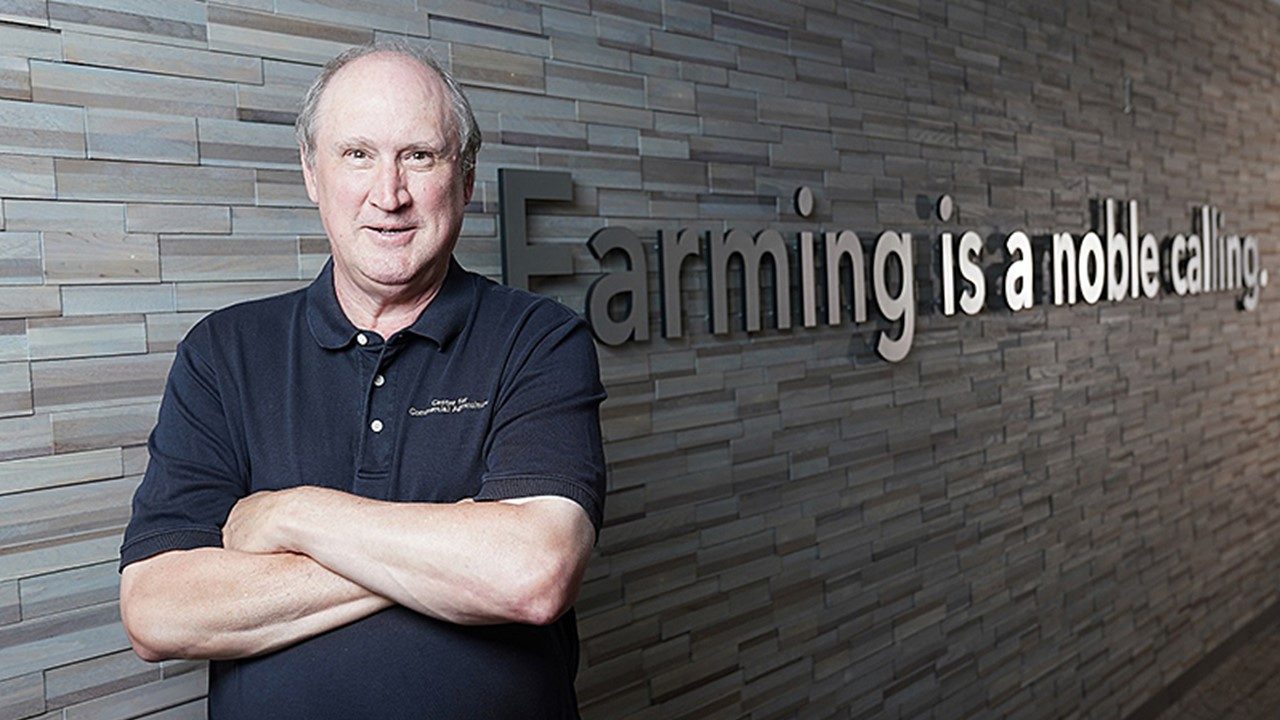
Dr. Michael Langemeier, director of Purdue University’s Center for Commercial Agriculture and principal investigator for the survey, said the cost pressures are being felt across several categories, particularly in crop production.
“One of them is diesel prices. Obviously, since the conflict in Iran started, diesel prices have—you know, skyrocketed. They’re much higher than they were prior to the conflict. The other one that gets a lot of press is nitrogen. So both of those prices are substantially higher than what they what they were last April.”
The survey found that approximately two-thirds of producers expect the conflict involving Iran, which began in late February, to reduce their farm’s net income in 2026. Many also anticipate rising costs of production. Among farmers who planted corn this year, nearly half expect their break-even corn prices to increase by as much as 6 percent next year, while 30 percent expect increases of 10 percent or more.
Financial stress is becoming more apparent across farm country. Only 14 percent of respondents said their farm operation was financially better off than a year ago, and just 22 percent expect their financial situation to improve over the next 12 months. The Farm Capital Investment Index, which measures producers’ willingness to make large investments, fell to its lowest level since September 2024.
Despite that pessimism, one aspect of the agricultural economy continues to defy expectations: farmland values.
The survey’s Short-Term Farmland Value Expectations Index jumped from 121 in April to 130 in May, while long-term expectations also improved. The resilience of farmland values comes even as producers express growing concerns about profitability and current business conditions.
Langemeier said the divergence between those indicators stood out.
“That’s one of the biggest surprises in this month’s survey is is the disconnect between the index of current conditions and and in particular the short-term land value expectations. Those are usually fairly tightly connected. This month they weren’t.”
Researchers found that producers view alternative investments, interest rates and net farm income as the primary factors influencing land values.
The survey also highlighted a widening divide between crop and livestock agriculture. Only 31 percent of respondents said they expect good financial times for crop producers over the next five years. By contrast, 68 percent expressed optimism about the outlook for livestock producers.
The disparity reflects stronger returns in parts of the livestock sector, particularly cattle production, while many crop producers continue to struggle with rising costs and commodity prices that remain below projected break-even levels.
Langemeier said that imbalance remains one of his greatest concerns.
“I’m really concerned about the cost structure, particularly for crop producers, particularly when you compare to the futures prices. The futures prices right now when you adjust for basis, they’re still quite a bit below these break-evens, and that situation just doesn’t seem to go away.”
The survey also found growing skepticism about the country’s overall direction. Since Purdue began asking the question in July 2025, the share of producers who believe the United States is headed in the “right direction” has steadily declined, falling from an average of 71 percent during the second half of last year to 52 percent in May.
Taken together, the results suggest that while farmers remain hopeful about the long-term value of their land, many are confronting a more difficult reality in the near term: rising costs, uncertain markets and shrinking margins that continue to challenge the economic outlook for much of American agriculture.
CLICK HERE to read the full report.
CLICK BELOW for Hoosier Ag Today’s radio news report: