


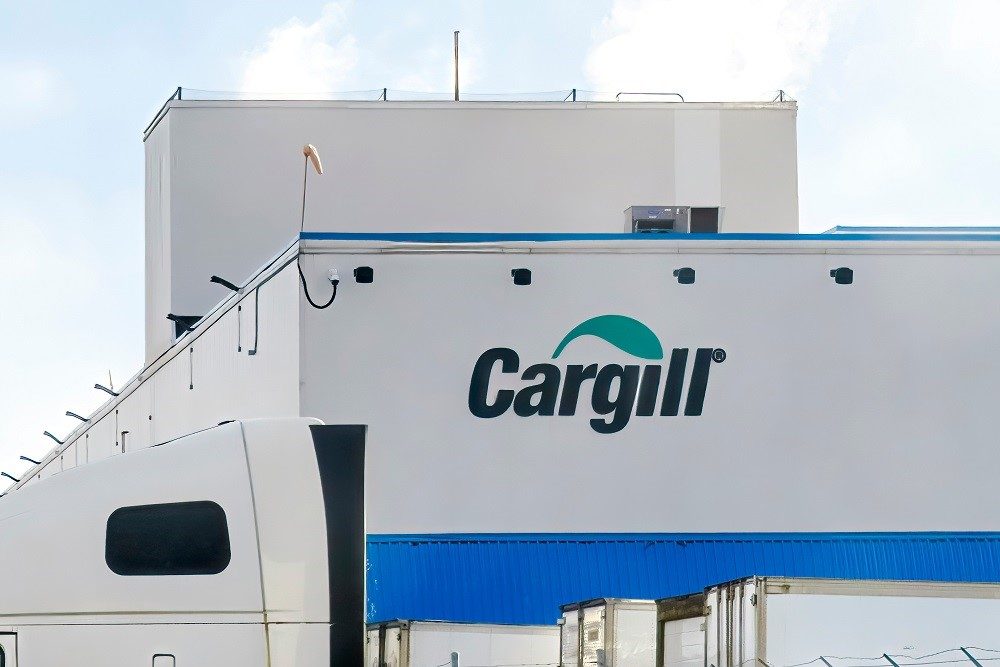
A labor dispute between one of the nation’s largest meat processors and more than 1,700 unionized workers escalated this week as the Teamsters union filed federal labor charges against Cargill, alleging the company illegally cut off pay and benefits for employees locked out of a Colorado beef processing facility.
The unfair labor practice charges, filed by Teamsters Local 455, come three weeks into a standoff at Cargill’s Fort Morgan beef plant, a major processing facility that supplies beef to consumers across the United States. The lockout began May 20 after months of contentious contract negotiations over wages, health-care benefits and workplace safety provisions.
The dispute has halted harvesting operations at the plant since April 23, creating uncertainty for workers, cattle suppliers and the local economy in northeastern Colorado, where Cargill is one of the region’s largest employers.
“Cargill is hurting working families in Fort Morgan by illegally cutting benefits and refusing to pay its own workforce after now locking them out for multiple weeks,” Dean Modecker, secretary-treasurer of Teamsters Local 455, said in a statement announcing the charges. “These charges make clear that Cargill cannot ignore the law. It’s time for the company to stop stalling and return to the bargaining table.”
The union’s filing marks the latest development in a dispute that has become increasingly bitter as both sides trade accusations over responsibility for the impasse.
Cargill defended its decision to lock out workers, saying it acted after prolonged uncertainty surrounding the possibility of a strike. The company said it remains committed to reaching an agreement and continues to participate in negotiations. Representatives for both sides last met June 8, but no agreement emerged.
The Fort Morgan facility plays an important role in the U.S. beef supply chain. Workers at the plant process millions of pounds of beef annually, and the facility serves as a major economic engine for Morgan County, a rural agricultural region on Colorado’s Eastern Plains.
The conflict also arrives as Cargill and other major meatpackers continue to face scrutiny over market concentration within the U.S. meat industry.
The Teamsters cited previous antitrust litigation involving the nation’s largest beef processors and argued that the labor dispute reflects broader concerns about corporate power in the meat sector. Cargill was among several companies named in lawsuits alleging beef price-fixing. The company previously agreed to pay $32.5 million to settle certain claims while denying wrongdoing.
“The beef cartel, comprised of Cargill, Tyson and a couple other companies, have already been sued for violating antitrust laws for price fixing and ripping off consumers,” said Jesse Case, director of the Teamsters Food Processing Division. “Now they’re conspiring to fix labor rates.”
The union did not provide evidence supporting its allegation that meatpackers are coordinating labor practices, and Cargill has not publicly responded to that claim.
The labor dispute presents a sharp contrast to the company’s recent investments in Fort Morgan. Last year, Cargill celebrated the opening of a workforce housing development that included an 81-unit apartment complex and 27 townhomes, part of a $40 million effort aimed at attracting and retaining employees in a tight labor market.
For now, however, negotiations remain deadlocked, leaving more than 1,700 workers without access to their jobs and raising questions about when one of the region’s largest industrial employers will resume normal operations.
The unfair labor practice charges will now be reviewed by the National Labor Relations Board, which could investigate whether Cargill’s actions violated federal labor law while bargaining continues.