

Tar spot is back and one expert believes conditions are favorable for heavy tar spot pressure this year. As of Tuesday, the corn disease had been spotted in almost every state in the corn belt.
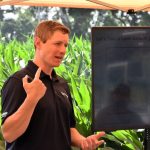
“The only place that we really haven’t found it so far in the primary Corn Belt would be Wisconsin and Michigan, so everybody else has jumped on board,” said Mike Probst, Technical Service Representative for BASF. “They found it first in a county in Indiana on June 10th and in the 20 days since then we’ve seen now six states that have confirmed tar spot, most of them with multiple counties, including Illinois here recently that jumped on board with Clark County. It was confirmed just last Friday.”
He has had conversations with people who have seen tar spot in areas where it is not yet confirmed, so the map will get more populated each week. That is no surprise, given conditions in the fields.
“Most of June has been below average temperatures and obviously well above average rainfall and we know those cool, wet conditions is what tar spot likes, so it really makes a lot of sense that we’re seeing this outbreak and how quickly it’s spreading.”
Probst says it will be important this year to follow through on your fungicide plans or add that management decision if you hadn’t already.
“My personal opinion, I don’t think we can afford to leave an acre untreated this year,” he said. “We just know how aggressive tar spot can be and the impact that it can have when it really settles in, and given the environment that we’re in and the economics, I think it’s one of those situations where we can’t afford not to, but there is still most of the corn and in this area is just now getting close to tassel and we still have a lot of areas that have not found tar spot yet, so we are still well within the range of being able to make decisions and get those applications out in a timely manner. So there’s still a lot of protection out there yet.”
If you happen to use BASF’s Veltyma, Probst highly recommends increasing the rate.
“One thing that we are really going to take advantage of this year is the fact that the Veltyma does come with a rate range and that’s something that’s relatively unique in the fungicide world. Our base rate would be seven but I’m really pushing for folks to consider 10 oz. A 3 oz difference doesn’t sound like a lot, but that’s almost a 50% increase in the amount of active ingredient that we are putting out there and we’ve seen very consistently in our yield data that that offers one of the most simple, yet effective returns on your investment on these high disease years.”
Going with ten ounces could likely mean just one pass will be needed, even in this high-pressure year.
Hear more about Veltyma here: