
The federal government is widening its scrutiny of the U.S. beef industry—and this time, the investigation reaches all the way to the supermarket meat case.
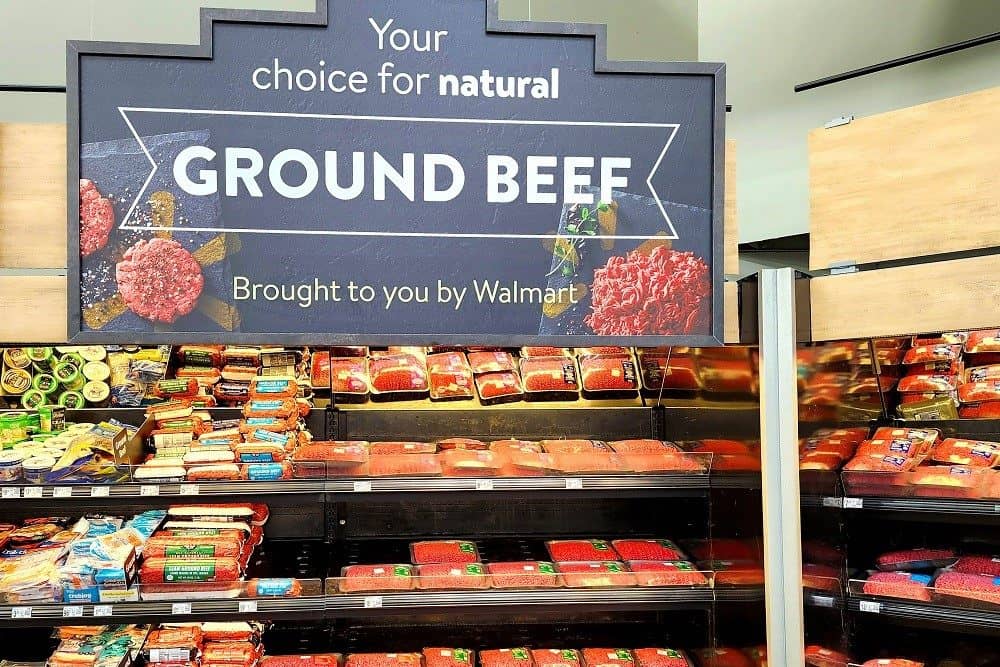
The U.S. Department of Justice announced Sept. 1 that its Antitrust Division has expanded its investigation into beef affordability to include eight of the nation’s largest retailers: Kroger, Walmart, Aldi, Costco, Publix, Albertsons, Ahold Delhaize USA, and Amazon.
@JusticeATR has expanded its investigation to include 8 of the largest grocers when it comes to beef affordability. @ASGWoodward sent letters to the following regarding the recent increases in the retail price for beef:
-Kroger
-Publix
-Walmart
-Albertsons
-Aldi
-Ahold…— U.S. Department of Justice (@TheJusticeDept) September 2, 2026
Associate Attorney General Stanley Woodward sent letters to the companies seeking information related to the recent surge in retail beef prices.
The move represents a significant expansion of an investigation that initially focused on the nation’s largest meatpackers. Federal officials are now examining pricing practices farther down the supply chain, raising a fundamental question for the beef industry and consumers alike:
Are record beef prices primarily the result of historically tight cattle supplies—or are anticompetitive practices contributing to what consumers are paying at the grocery store?
“Beef prices are a critical concern to Americans, and a priority for this Justice Department,” the DOJ said in announcing the expanded investigation.
Beef prices continue to climb
The investigation comes as beef prices have reached levels that are putting increasing pressure on consumers.
According to Bureau of Labor Statistics data, beef and veal prices increased 9.4% during the 12 months ending in July. Ground beef prices rose 9%, steaks increased 9.6%, and roasts jumped 13.5%.
Each of those increases outpaced the overall inflation rate of 3.4%.
The price of ground beef has climbed particularly sharply. The average price increased from $3.95 per pound in December 2020 to $6.89 per pound in July 2026.
For cattle producers, however, the price story is considerably more complicated.
The nation’s cattle herd has fallen to its lowest level in roughly 75 years, dramatically tightening available beef supplies. Drought, elevated production costs and years of herd liquidation have reduced the number of cattle available to move through the beef production system.
That shrinking supply has helped push cattle and beef prices higher even as consumers continue buying beef.
DOJ follows the beef supply chain
The Justice Department’s investigation initially centered on the highly concentrated U.S. meatpacking industry.
Tyson Foods, Cargill, JBS USA and National Beef Packing Company account for roughly 85% of the nation’s grain-fed cattle processing capacity, according to the information provided by the DOJ investigation.
Federal officials have been examining whether that concentration creates opportunities for price-fixing, collusion or other anticompetitive behavior.
The investigation now moves another step down the supply chain.
The letters sent to the eight retailers reportedly seek information about beef pricing strategies, profit margins and operating costs, including how those figures have changed from 2020 through 2026. The DOJ also wants information about wholesale purchasing arrangements with meatpackers, as well as broader analysis of trends in the wholesale and retail beef markets.
That means investigators will be looking at what happens to the price of beef between the packing plant and the grocery store shelf.
For cattle producers, that distinction matters.
If federal investigators find evidence that market power or anticompetitive conduct is contributing to retail prices, the implications could extend beyond consumers. The findings could intensify scrutiny of how prices are established throughout the beef supply chain and potentially lead to calls for greater competition.
But the investigation also comes with an important caveat: high retail beef prices, by themselves, are not evidence of illegal conduct.
The U.S. cattle industry is operating with an exceptionally small herd, and rebuilding that herd takes time.
A cattle shortage that cannot be fixed overnight
The fundamental supply problem facing the beef industry is straightforward: There simply aren’t enough cattle.
Years of drought and high production costs encouraged producers to reduce herd sizes. As conditions improved in some areas, rebuilding began—but expanding the national herd requires multiple years of breeding and retention before additional cattle reach slaughter weight.
That means even substantial changes in producer behavior today would not immediately put more beef in grocery stores.
Strong consumer demand is adding to the pressure.
With fewer cattle entering the processing system and consumers continuing to purchase beef, competition for available supplies has pushed prices higher throughout the chain.
That reality is central to the DOJ’s investigation.
Federal officials are essentially trying to determine how much of the price increase can be explained by legitimate market forces—and whether any portion can be attributed to conduct that violates federal antitrust laws.
What it could mean for cattle producers
For cattle producers, the investigation could ultimately have consequences well beyond the price consumers see on a grocery-store shelf.
A more competitive marketplace could potentially improve transparency and competition for cattle, particularly in an industry where a handful of companies control a dominant share of processing capacity.
The concern among producers has long been that limited competition among buyers can weaken their negotiating position.
At the same time, any changes resulting from the investigation would have to account for the realities of the beef production system.
The current cattle shortage is real. So are the costs of raising cattle, transporting them, feeding them and processing them.
The challenge for policymakers will be separating those legitimate economic pressures from any practices that may improperly distort prices.
The investigation could also draw renewed attention to the structure of the nation’s beef industry and whether greater processing capacity and competition are needed to strengthen the cattle market over the long term.
Retailers now under the microscope
The addition of eight major retailers gives the DOJ a much broader view of the beef marketplace.
Kroger, Walmart, Aldi, Costco, Publix, Albertsons, Ahold Delhaize USA, and Amazon collectively represent a significant share of the nation’s grocery and food retail marketplace.
By examining their margins, costs, purchasing arrangements and pricing strategies, federal investigators can compare what retailers are paying for beef with what consumers ultimately pay at the checkout.
That could provide investigators with a clearer picture of where price increases are occurring—and how those increases are moving through the supply chain.
The DOJ’s action also comes after Tyson Foods agreed in January to pay $82.5 million to settle a proposed class-action lawsuit brought by grocery stores, food distributors and other businesses that accused the company of conspiring to inflate U.S. beef prices by restricting supply.
The settlement did not resolve the broader questions now being examined by the federal government.
The stakes are high
For American consumers, the investigation comes at a time when the price of a package of ground beef has become a very visible symbol of food inflation.
For cattle producers, however, the stakes may be even greater.
The industry is attempting to rebuild a national herd while operating in a market dominated by a small number of major processors. Producers need strong cattle prices to justify retaining heifers and rebuilding their operations, while consumers need an affordable and dependable supply of beef.
Those two goals ultimately depend on a functioning, competitive marketplace.
The Justice Department’s expanded investigation will now attempt to determine whether that marketplace is working as it should.
And with beef prices at record levels and the nation’s cattle herd at its smallest point in generations, the answer could have lasting consequences for everyone from the ranch gate to the grocery store.