

American soybean and pork producers are walking away from a high-profile U.S.-China summit with more promises, a temporary extension of a fragile trade truce and few concrete answers about when meaningful improvements in agricultural trade will materialize.
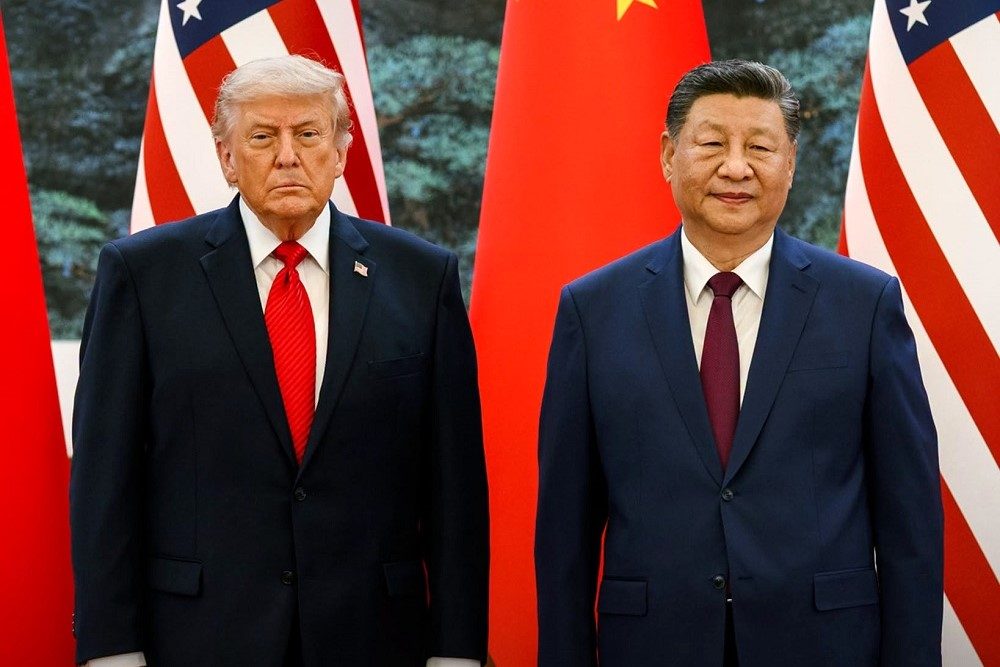
After days of meetings, diplomatic ceremonies and a White House state dinner, President Donald Trump and Chinese President Xi Jinping concluded their Washington talks Thursday without announcing a comprehensive trade agreement or delivering the kind of specific agricultural purchase commitments that U.S. farmers and livestock producers have been seeking.
Instead, the two countries agreed to extend their existing trade truce by two months, pushing the deadline to Jan. 10 and giving negotiators additional time to address tariffs, agricultural purchases and other longstanding disputes.
For American farmers already confronting tight margins, elevated production costs and uncertain export markets, the outcome offers some near-term stability but little assurance of a sustained recovery in agricultural trade with the world’s second-largest economy.
The stakes are particularly high for U.S. soybean growers and pork producers, who have faced years of trade disruptions, shifting Chinese demand and uncertainty over the long-term reliability of one of America’s most important agricultural export markets.
Soybean purchases advance, but broader agricultural commitments lag
One of the most closely watched issues surrounding the summit was whether China would deliver on its commitments to purchase American agricultural products.
Treasury Secretary Scott Bessent said China is making substantial progress toward its pledge to purchase 25 million metric tons of U.S. soybeans annually, a commitment that runs through 2028.
Chinese state-owned buyers have stepped up soybean purchases and are more than halfway toward Beijing’s annual target, according to reporting from Reuters and other agricultural market sources.
That progress is significant for American soybean producers, who depend heavily on export demand to support prices and move enormous volumes of grain through the U.S. agricultural supply chain.
But the soybean commitment is only part of the picture.
China is also behind schedule on a separate pledge to purchase at least $17 billion in additional U.S. agricultural products, excluding soybeans, according to Bessent. That commitment was established during earlier negotiations between Trump and Xi.
The shortfall is raising questions about whether American producers of corn, sorghum, wheat, pork and other agricultural commodities will see the export demand they were counting on when the commitments were announced.
China has yet to purchase U.S. corn for the current marketing year, while purchases of American sorghum have also lagged expectations, Reuters reports.
For U.S. pork producers, the lack of specific new purchasing commitments is especially consequential. Although China remains an important potential destination for American pork and other animal proteins, the summit produced no detailed announcement outlining additional Chinese pork purchases or a timetable for expanding access.
Without greater clarity on agricultural purchases and trade barriers, livestock producers remain exposed to uncertainty surrounding the volume and value of export demand.
President Trump offered an optimistic assessment of the summit’s agricultural discussions, telling reporters, “I think our farmers are going to be very happy. A lot of very positive things happened.”
However, the president did not provide specific purchase volumes, dollar commitments or timelines to substantiate that statement.
U.S. Trade Representative Jamieson Greer indicated that additional details on China’s agricultural purchases could be announced Monday, potentially providing more information about the commitments discussed during the summit.
Until those details are released, American producers are left waiting for evidence that the latest round of negotiations will translate into actual sales.
Soybean farmers want lasting trade certainty
The American Soybean Association is urging both countries to build on the recent increase in Chinese soybean purchases and establish a more dependable long-term trading relationship.
“Soybean farmers want to see this momentum continue with strong purchases of US soy and a lasting trade partnership with China,” said ASA President Scott Metzger.
That message reflects a central concern throughout rural America: Purchase announcements are important, but farmers need sustained demand and predictable market access to make planting, marketing and investment decisions.
China has historically been a major buyer of American soybeans, with its demand helping shape global soybean prices and influencing the economics of U.S. crop production.
When access to that market is disrupted, the effects can extend well beyond individual soybean growers. Grain elevators, river terminals, exporters, processors and rural businesses all depend on agricultural trade moving consistently through the supply chain.
For pork producers, the same uncertainty affects decisions involving herd expansion, processing capacity and investment in production facilities.
The broader $17 billion agricultural purchasing commitment was intended to provide additional opportunities for U.S. commodities beyond soybeans. Yet the absence of detailed progress on those purchases leaves producers across multiple sectors waiting for a clearer picture of future demand.
The summit also failed to announce a comprehensive reduction in Chinese tariffs on American agricultural products.
U.S. and Chinese officials have discussed lowering tariffs on selected goods, including agricultural and energy products. Market participants have anticipated that reducing duties on American soybeans, corn and wheat could encourage additional Chinese purchases.
But no broad agricultural tariff agreement emerged from the Washington meetings.
For U.S. pork producers, any improvement in market access would need to be evaluated alongside the specific tariffs and other trade restrictions affecting American pork exports. The summit did not provide a detailed resolution of those issues.
Grain markets react to the lack of specifics
The absence of concrete agricultural trade announcements quickly became apparent in commodity markets.
Chicago grain futures fell at Friday’s opening, Sept. 25, as traders assessed the summit’s outcome and waited for more specific information about Chinese agricultural purchases.
The lack of new commitments disappointed market analysts who had anticipated additional demand for American grain and oilseeds.
For soybean growers attempting to price remaining old-crop supplies or make marketing decisions for the 2026 harvest, the scale and timing of Chinese purchases can influence expectations for export demand.
For corn producers, the absence of Chinese purchases during the current marketing year represents another unanswered question about the potential for expanded export opportunities.
And for pork producers, a broader improvement in U.S.-China agricultural relations could create opportunities for increased sales, but only if trade commitments translate into actual shipments and improved access.
The two-month extension of the trade truce may help prevent an immediate escalation in tariffs and other trade restrictions. It does not, however, resolve the underlying disagreements that have contributed to volatility in agricultural markets.
Trade truce avoids an immediate confrontation, but uncertainty remains
The extension of the trade truce was among the summit’s most concrete outcomes.
Without an agreement to extend the existing arrangement, the United States and China faced the possibility of renewed trade tensions, including a return to substantially higher tariffs and additional restrictions affecting critical minerals and advanced technology.
Those risks extend beyond agriculture.
China’s control over important mineral supply chains has created concerns for American manufacturers, technology companies and defense industries. Previous restrictions on critical mineral exports disrupted businesses dependent on those materials and contributed to broader economic uncertainty.
The latest extension postpones the immediate deadline and provides negotiators additional time to address those disputes.
But it also leaves businesses and agricultural producers operating under a temporary arrangement rather than a comprehensive trade agreement.
Agricultural purchase commitments, rare-earth access, technology restrictions and other trade issues remain subjects of negotiation.
The two-month extension also pushes the next major trade deadline beyond the November midterm elections, reducing the immediate risk of a confrontation that could disrupt markets and supply chains.
For American agriculture, however, the longer-term implications remain uncertain.
A continued trade truce can help preserve existing market access, but it does not guarantee additional Chinese purchases or eliminate the tariffs affecting American agricultural exports.
More meetings ahead, but farmers need results
Trump and Xi are scheduled to meet again at the Asia-Pacific Economic Cooperation summit in China on Nov. 18-19 and at the Group of 20 leaders’ meeting in Florida on Dec. 14-15.
Those meetings will provide additional opportunities for the two governments to address agricultural trade and other outstanding issues before the extended truce expires Jan. 10.
Trump has also indicated that additional agricultural purchase announcements could be forthcoming, while Greer has suggested that the administration will provide more details about Chinese commitments.
For soybean and pork producers, the immediate questions remain straightforward: How much additional American agricultural product will China actually buy? When will those purchases occur? And will the two countries make progress toward reducing the trade barriers that have constrained American agricultural exports?
The summit provided no comprehensive answers.
For now, U.S. farmers and livestock producers are left navigating a familiar landscape of trade negotiations, temporary agreements and promises of future purchases.
The extension may have bought Washington and Beijing more time to negotiate, but for America’s soybean growers and pork producers, the measure of success will ultimately be determined by what happens beyond the negotiating table — in the volume of agricultural products China buys, the tariffs it removes and the lasting market opportunities American producers are able to secure.