

A new federal inquiry into the agricultural equipment industry is putting some of the biggest names in farm machinery under scrutiny—and regulators are asking farmers to help determine whether manufacturers and dealers are creating barriers that drive up costs, limit repair options and leave equipment sitting idle during critical fieldwork.
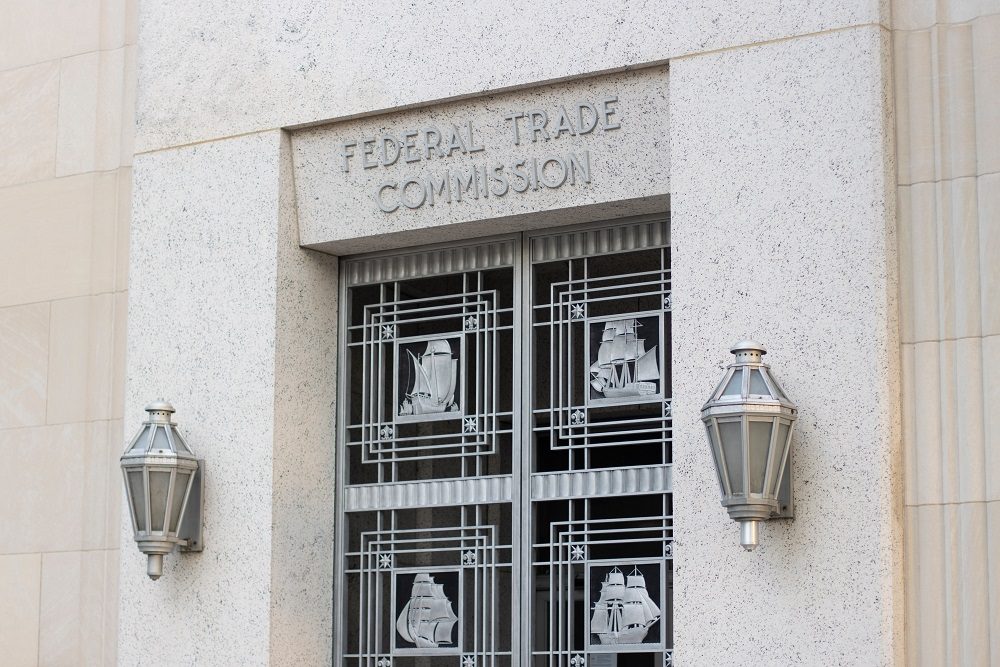
The Federal Trade Commission and U.S. Department of Agriculture announced Wednesday that they are jointly seeking public input on potentially anticompetitive practices in the manufacturing and distribution of agricultural equipment.
The inquiry comes as farmers continue to raise concerns about the cost of machinery, access to replacement parts and repairs, territorial restrictions and the ability to fix their own equipment. USDA says it has received a growing number of complaints from producers who say they face barriers not only to purchasing equipment, but also to obtaining the services needed to keep that equipment running.
For farmers in the middle of harvest, the issue is about far more than the price tag on a new combine or tractor.
When a machine goes down, every hour can carry a cost.
Federal regulators want to hear directly from farmers
The agencies are asking farmers, independent repair providers and current and former employees of agricultural equipment manufacturers and dealers to submit information about practices they believe may restrict competition.
Regulators specifically want information about business models, policies, agreements and contractual terms—as well as firsthand experiences involving restrictions, penalties or retaliation.
They are also examining the broader economic impact of those practices, including their effects on equipment prices, market entry, innovation, farmer welfare and the economic resilience of rural communities.
Among the questions in the FTC’s request for information are whether manufacturers impose formal territorial restrictions on where dealers can sell or service equipment and whether manufacturers or dealers tie access to repairs or replacement parts to purchasing equipment from a particular dealer.
That puts the spotlight squarely on one of the most contentious issues in modern farm machinery: who gets to repair the equipment—and how much farmers have to pay to get it running again.
“America’s farmers have a hard enough job as it is,” FTC Chairman Andrew Ferguson said. “They shouldn’t have to overcome artificial service barriers to keep their farm machinery running, or pay inflated prices for critical equipment.”
Ferguson also said farmers should not face retaliation for repairing their own equipment or shopping around for better prices.
Agriculture Secretary Brooke Rollins is encouraging producers to speak up during harvest.
“Every day I hear from farmers and far too often they bring up the restrictions they face in being able to repair their own equipment,” Rollins said in a social media post. “Added costs and lost labor time are the result of these misguided restrictions for our farmers and ranchers.”
Rollins urged farmers to make their voices heard as the administration gathers information.
John Deere settlement raises stakes
The federal inquiry follows a major development earlier this year involving Deere & Company.
In July, the FTC and five states—including Michigan—reached a settlement with Deere in an antitrust lawsuit stemming from complaints about restrictions on farmers’ and independent repair providers’ ability to fix Deere equipment.
Under that settlement, Deere agreed to provide farmers and independent repair providers with repair resources comparable to those available to its dealers.
The new, broader inquiry could determine whether similar concerns exist across the agricultural equipment industry.
And investors immediately took notice.
Shares of Deere fell about 5% Wednesday, while CNH Industrial dropped 5.7% and AGCO declined 5.9% following news of the federal inquiry.
Bloomberg Intelligence analyst Justin Teresi characterized the immediate threat to the companies as largely “headline risk,” noting that any formal investigation remains speculative until regulators have a clearer picture of the information they receive.
Still, the market reaction underscores the potential significance of the inquiry for an industry in which machinery manufacturers and their dealer networks play an enormous role in farmers’ production costs.
The equipment inquiry isn’t happening alone
The federal scrutiny of farm machinery is part of a broader push by the Trump administration to examine competition and costs throughout agriculture.
USDA announced Tuesday that it is also strengthening its cooperation with the U.S. Department of Justice to investigate competition in the seed industry, with a particular focus on seed pricing, licensing, relabeling and barriers facing independent seed companies.
Rollins said the Justice Department will be “shining an even brighter light” on those practices.
The timing is significant.
According to USDA data cited by the Iowa Capital Dispatch, the average price of crop seeds increased by more than 270% from 1990 to 2020, rising significantly faster than the prices farmers received for their commodities.
For corn, soybeans and cotton—the crops most commonly associated with genetically modified seed—the increase was even more dramatic, averaging about 463% over the 30-year period.
“There’s got to be a reason for that,” Rollins said, pointing to the USDA data.
The seed-market review and equipment inquiry represent two fronts in a larger examination of how competition—or the lack of it—affects the costs farmers face before they ever put a crop in the ground.
A bigger question for farmers
For producers, the stakes extend beyond whether a manufacturer has violated antitrust law.
The central question is whether farmers have enough choices when they need to buy, repair, maintain or replace the machinery and inputs that keep their operations moving.
That question becomes particularly urgent during planting and harvest, when a disabled tractor or combine can quickly turn into lost field time, delayed grain deliveries and potentially lost yield.
The FTC says information gathered through the new inquiry will help shape its enforcement and regulatory priorities and could inform future actions.
Farmers and others with firsthand knowledge can submit comments through Regulations.gov through Dec. 7, 2026, at 11:59 p.m.
For producers who have spent hours waiting on parts, paid substantial repair bills or struggled to access the tools and information needed to fix their own equipment, federal regulators are now offering a direct invitation: Tell them what is happening in the field.