

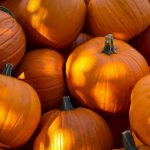
Pumpkins may be a symbol of fall, but across the Corn Belt, producing a successful crop takes months of planning and preparation.
The United States grows a wide variety of pumpkins, representing three different Cucurbita species. While Illinois leads the nation in overall pumpkin production, Indiana and Michigan take spots in the top 5 growing states in pumpkins marketed whole to consumers.
According to Stephen Meyers, Associate Professor of Horticulture Crops Weed Science at Purdue, preparations for next year’s crop can begins in the fall.
He says, “Next year’s crop is kind of being planned for, the fields are being prepared a lot of them will grow on a terminated cover crop that’s planted this time of year. It’s terminated typically May or so, May, June. And then the pumpkins are planted, harvested August, September, October. And so it really is kind of a 365 day a year operation, because field preparation begins now for next year’s pumpkin crop.”
Once pumpkins are planted between May and early July, farmers face three to four months of protecting their crops from weeds, diseases, insects, and other pests.
Meyers adds, “A lot of the weed species that are common to pumpkin are the same species that are common to corn, soybeans, vegetables, you know, things like velvet leaf, water hemp, giant ragweed, all of those that are problematic in other crops are going to be problematic in pumpkin as well. In no till systems, we also have to contend with mare’s tail because it’s often not controlled with our cover crop termination step. So that’s an additional weed we have to contend with in no till pumpkin production. But yeah, if you add on top of that diseases, things like powdery mildew, we’re seeing more pressure and more concerned with bacterial spot. Insects like cucumber beetle, squash bugs, squash vine bores are incredibly problematic. And then we have things like rodents.”
The effort highlights how successful pumpkin production depends on year-round management, with decisions made long before the first pumpkins reach the market.
Watch the interview with Stephen Meyers on the YOUR FARM podcast: